Kurt Elling’s “Passion World” carries the spirit of St. Valentine’s Day across time and space

ANNA WEBBER STUDIO ©2012

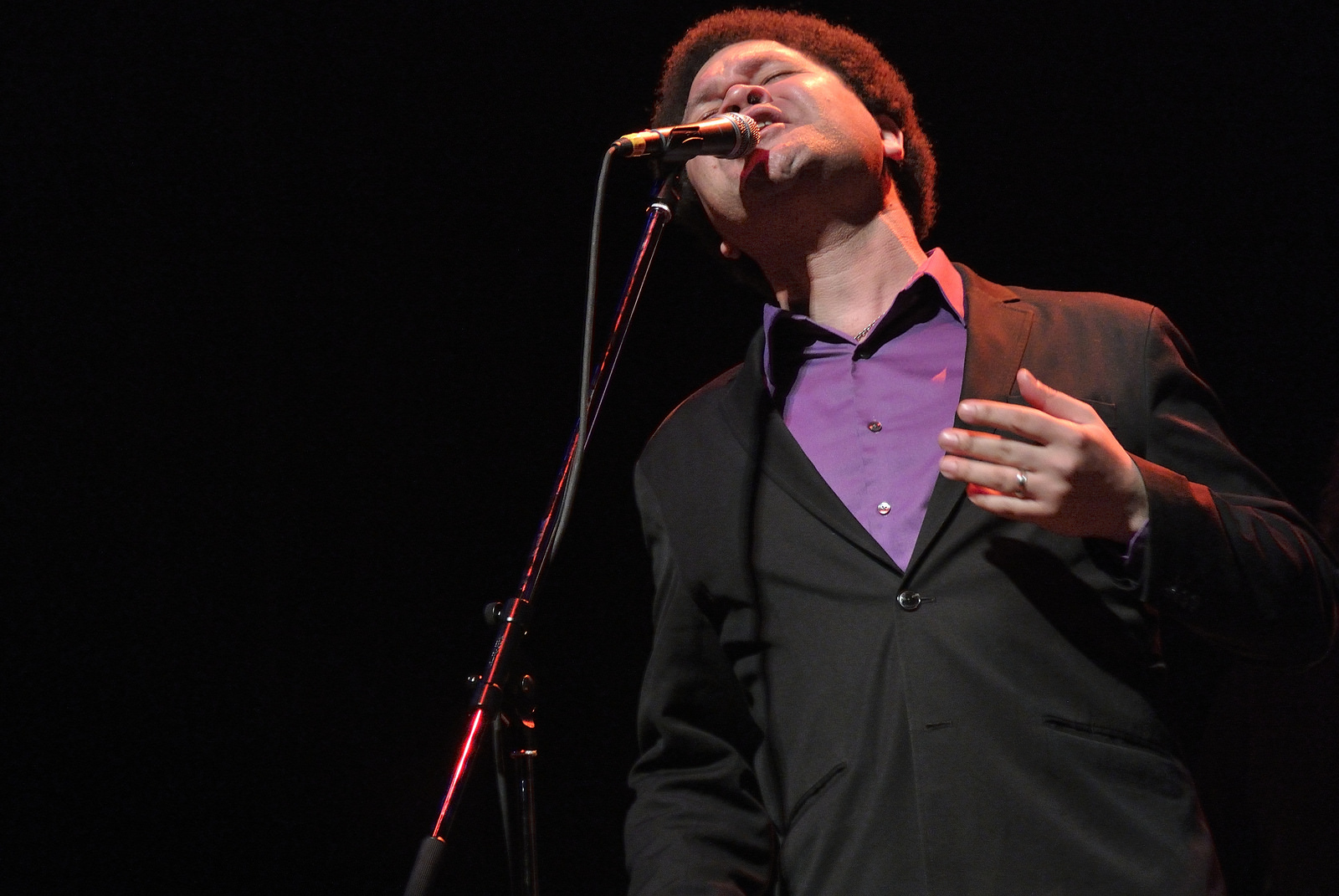
Kurt Elling in a promotional photo for “Passion World.” Photo by Anna Weber

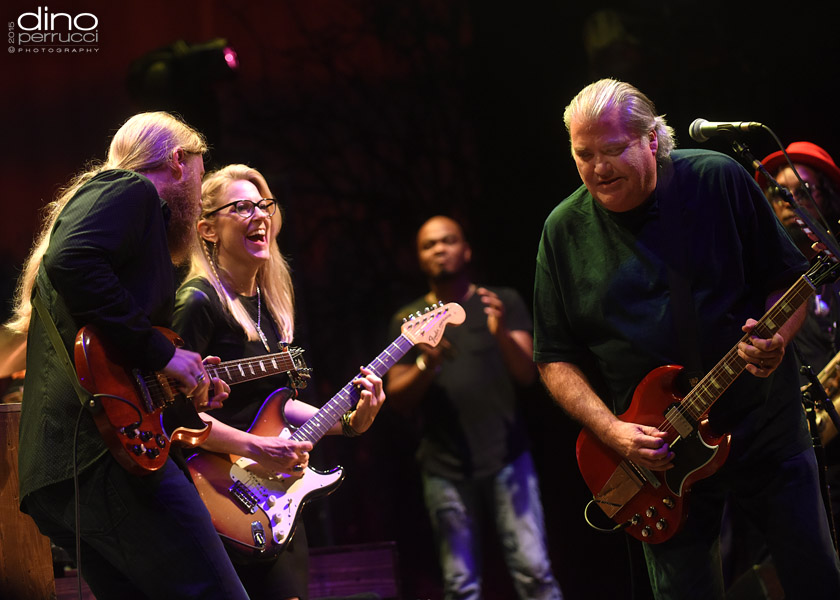
The flowers I bought and arranged into a bouquet last Thursday for my girlfriend Ann Peterson still haven’t faded. Nor should the spirit of Saint Valentine’s Day, and one of the greatest cultural purveyors of concepts and larger values of love is the great jazz singer Kurt Elling.

His last album Passion World (Concord) has been out for a while, but it seems like it should have been released on Valentine’s Day. So the review of the album I wrote for The Shepherd Express, reposted here, feels as timely as ever. 1 Elling took a cosmopolitan and extremely global view of the concept of romance and love that, with his stylistic range, reaches to the common man and woman as well as the romantic sophisticate. And we sure need a serious concept of love to take hold in all the troubled spots in the world today. One of the first concerts Ann and I ever attended together was Elling performing at the Sharon Lynne Wilson Center for the Performing Arts on Valentine’s Day of 2014.

Elling is on the West Coast right now, as part of his Passion World tour, and he’ll perform at Dimitriou’s Jazz Alley in Seattle Thursday through Sunday https://www.jazzalley.com/www-home/artist.jsp?shownum=1618

Since we saw him in Milwaukee, he’s been a bellwether for the quality of music events we have strove to attend, which has compelled us to Red Rocks Amphitheater in Colorado, as well as the SFJAZZ Center in San Francisco, among other places, all by hitting the road in my car.

I also drove to the 1997 Chicago Jazz Festival, and l’m posting a few previously unpublished and unposted photos of the unforgettable performance that Elling put on at that festival with his primary inspiration, the fearless and gifted jazz vocal pioneer Mark Murphy. If ever I have experienced love on a stage — profoundly leavened by mutual respect — it was between these two performers. Elling is straight and Murphy had been openly gay since early in his career. That fact had made Murphy’s whole professional life an uphill climb, as I detail in the blog post I wrote in commemoration of his death:https://kevernacular.com/?p=3932.

But that performance’s facts also made their set’s feeling of love trans-gay-straight, if you will. Elling’s regard is palpable in a performance video recorded shortly after Murphy’s passing. 2

murph


murph 1

murph2

murph3

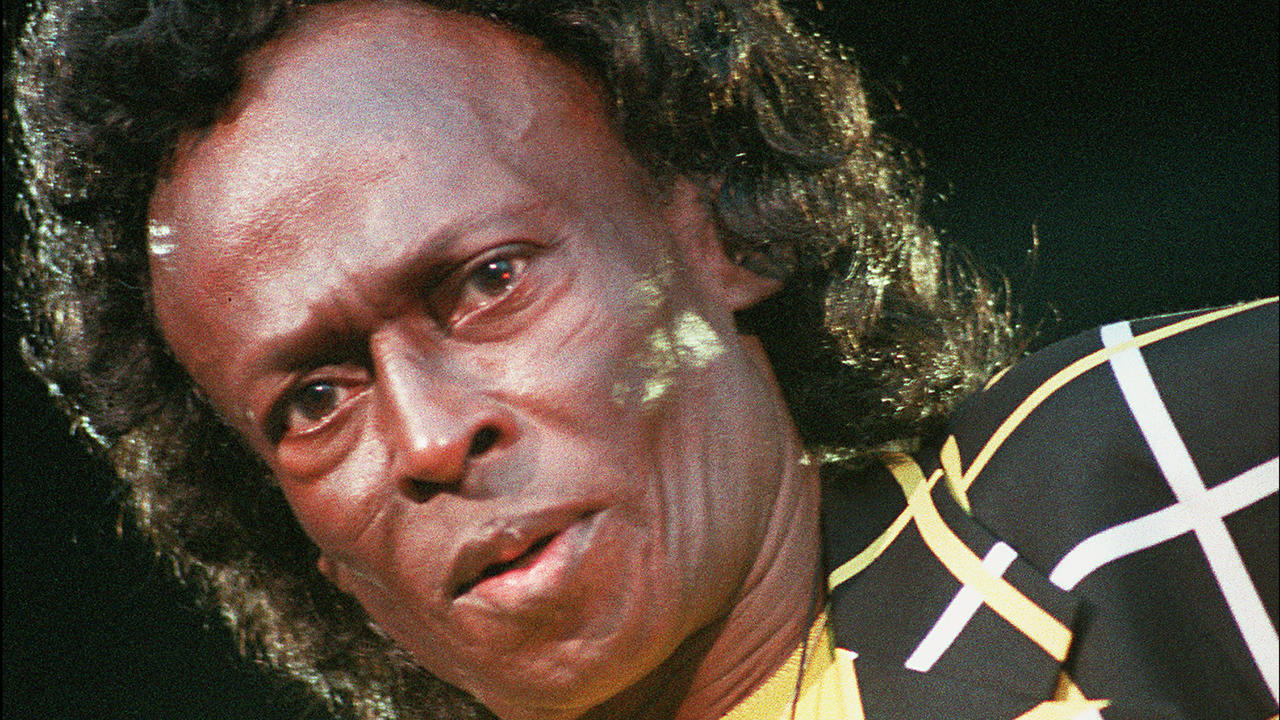
Mark Murphy (top, in Miles Davis T-shirt) and Kurt Elling perform together for perhaps the first time together at the Jazz at Jackson stage at the 1997 Chicago Jazz Festival. All photos by Kevin Lynch

Elling, a Rockford native, remains one in the most impressive and ambitious artists in jazz today. He has persistently conceived and realized concepts for both his albums and for special concerts that encompass jazz tradition and innovation, as well as literature, philosophy and the other arts.

Originally a divinity student at The University of Chicago “(who admits he was going to write ‘big thick tomes no one would ever read), he turned that passion, reverence and skill into jazz lyrics,” as Charles W. Johnson reported. 3

And I have no little doubt that Elling has contemplated the legacy of Saint Valentine in his many inquiries into love’s meaning, value, and role in society, and even global affairs. Saint Valentine was “a priest of Rome who was imprisoned for giving succor to persecuted Christians.” The celebration of Saint Valentine did not have any romantic connotations until Chaucer‘s poetry about “Valentines” in the 14th century. 4

So here’s an expanded version of my original review:

Passion-World1

Kurt Elling — Passion World (Concord Jazz)

Among the world’s most ambitious and gifted singers, Elling pursues what philosophers call the life examined, evidence of his training as a seminarian. Here, his deft, pliant baritone addresses the concepts of passion and romance, and how their complexity and commonality exist among various cultures. Songs in English, Spanish, Portuguese, French and German include folk to art song and tunes adapted with Elling’s own lyrics. Accompaniment ranges from trios to orchestras from Germany and Scotland. For all his global reach, the results consistently convey the truth and illusions of personal experience.

Among Elling’s ports of song is “La Rose en La Vie,” popularized by Edith Piaf. Sumptuously orchestrated with brilliant orchestra-ensemble passages, the magnificently genial melody reaches globally in Elling’s eight-minute-plus version. Carolina Strassmeyer unfurls a lovely, ardent alto sax solo reminiscent of Stan Getz in his bossa-nova phase.

U2’s “Where the Streets Have No Name,” echoes U2’s spare yet expansive instrumentation, and lyric: High on a desert plain/ where the streets have no name… We’re always building and burning down love/  But when I go there/ I go there with you/ It’s all I can do…”

The song reflects both Elling’s ambition and his serious-minded humility, in the lyric’s near-helplessness, and in the sense that he’s forever pursuing great material, past and present, by other great artists, to honor and revitalize. By contrast, “Voce Ja Foi a Bahia?” by Brazilian Bossa-nova singer-songwriter Dori Caymmi, is an effervescent duet with Sara Gazarek that conveys the joy of dance in the way the singers twirl, embrace, and artfully circle each other, in perfect rhythm and harmony.

Almost improbable as a follow-up to such Latin joy is Elling’s reading of Johannes Brahms’ exquisitely abject ballad “Nicht Wandle, Mein Licht,” His strong supple baritone holds the lieder up to the light to examine and honor with love’s tenderness. The light is the song’s metaphor for the singer’s lover, for whom his tears may or may not have prompted a flood of tears. A sultry piano by Frank Chastenier brings the ballad fully to the present.

Elling’s ports lie far afield from jazz again on Bjork’s “Who Is It?” But it works as a heart-swelling affirmation of amour — the lover’s trust is a fortress for the lover. It’s an example of Elling’s mission, to pursue the life examined, here by patiently asking the questions that give the real or potential love in one’s life due scrutiny and honor in one’s view.

Elling’s vision expands outward and inward; following along is an armchair adventure.


______________

http://shepherdexpress.com/article-27011-kurt-elling-passion-world-(concord-jazz)- album-review-shepherd-express.html

2


http://www.chicagonow.com/vociferous-envoy/2013/12/the-evolution-of-kurt-elling/

https://en.wikipedia.org/wiki/Valentine%27s_Day

Passion World CD cover courtesy udiscovermusic.com

Deep in the Night, the West Side Hears a Train Whistle from Jazz History

Irabagon Johnson Qt(L-R) Jon Irabagon, Matt Ulery, Russ Johnson, and Jon Deitermyer, live at the West End Conservatory on December 28. Photo by August Ray

Sidebar to West End Conservatory feature

Concert review of Jon Irabagon-Russ-Johnson Quartet

Twas the night before New Year’s Eve, give or take a chilly few. And all through the night the big blizzard had blown. Milwaukee lay mostly fast and asleep, engulfed in a blanket of silver and white.

Yet the embers of cutting-edge jazz arose and flared at an unlikely locale. 55th and Vliet Street is not the hip East Side, nor is it Bay View or Riverwest. The East Side’s now-darkened  beacon, The Jazz Estate, hovers in limbo. So The West End Conservatory just may become the new locus of envelope-pushing jazz in Milwaukee.

What radiated like a blazing furnace in the conservatory’s long, icicle-encased recital hall was the Russ Johnson- John Irabagon Quartet, though the big, bad blizzard took its toll even here. Besides New York-based Irabagon, the other featured guest performer, tenor saxophonist Ohad Talmor got trapped in O’Hare, Chicago’s black hole of an airport, due to the blizzard. Thankfully Irabagon, from Gurnee, Il. (and likely visiting relatives) got to the Midwest early enough for the gig, as did two Chicagoans, bassist Matt Ulery and drummer Jon Deitermyer.

The great trumpeter Russ Johnson, a Shorewood resident who worked for some years in New York, has built up strong connections with top-flight East Coast jazz musicians. But even he needed a serious listening space for his latest heavyweight collaboration. That’s where the still-young and evolving West End Conservatory has stepped up big time.

It was the latest in an impressive series of concerts the West End has hosted (see main story). But even the star jazz band The Bad Plus, upcoming Feb. 6, will be hard-pressed to top this performance.

Husky trumpeter Johnson projects unbridled passion, bristling virtuosity and bravura power which, at times, summons the spirit of Louis Armstrong, whose legendary 1928 recording “West End Blues” resonates in the Conservatory’s name. Johnson has been burning it up here and in Chicago for several years, and released two superb recent recordings, including a daringly ambitious reimagining of a classic Eric Dolphy album, which Johnson titled Still Out to Lunch!

Nevertheless, the real revelation this night was the first-area performance by Irabagon, an affable man of modest stature but gigantic gifts and intelligence. We understood quite quickly why he compares well with any rising saxophonist playing jazz today. And why he won the 2008 Thelonious Monk International Saxophone Competition. Besides Johnson, Irabagon has worked or recorded with such luminaries as Kenny Barron, Lou Reed, Wynton Marsalis, Mary Halvorson, The Chris Potter Big Band and Mostly Other People Do the Killing. He played on two of 2015’s best albums, Dave Douglas’s Brazen Heart, and Irabagon’s own Behind the Sky with trumpeter Tom Harrell and pianist Luis Perdomo.

Irabagon_Behind_The_Sky_COVER

Album cover to Jon Irabagon’s latest CD “Behind the Sky.” Courtesy allaboutjazz.com

Irabagon’s deft fingers and lusty lungs turned the first set into to a concise, vivid history of the modern tenor sax, with lighthouse beacons from most of the giants.

On the opener, Johnson’s “Sowatch,” Ulery’s big, spacious bass and Deitermyer’s finely crackling drums cushioned a loping lope of a funk rhythm. Johnson set the pace with a solo of sharply rising clarion climaxes.

Then they launched into Irabagon’s “It Needs It,” which proved an odyssey.  A neo-boppish groove felt like Sonny Rollins meeting Wayne Shorter — sax lines alternately rounded, juicy, oblique and gruff. Here Irabagon’s tenor sax recalled Rollins’ bristling youthful brio on his early RCA recordings. Soon, he’d also evoked Archie Shepp and John Coltrane in alternating bars and finely fractured intervals, and then a burst of Joe Henderson’s gloriously gutsy flag-waving cries.

Jon-Irabagon-01

Jon Irabagon. Courtesy republicofjazz.blogspot.com

When Johnson joined in, they sounded a bit like Rollins with avant-garde trumpeter Don Cherry, the trumpeter dancing and smearing notes, the theme now slower, in a mock conversation between two horn players. The tune then rose into magnificence, the two players now resembling brothers reminiscing shared bitterness, pain, love and loss, all with an abandon veiled in puckish wit.

By the end, both players began emitting slightly strangled embouchure noises in the virtual silence of the rhythm section, akin to bizarre and exquisite sonic manifestations of Roscoe Mitchell (who Irabagon has studied with) and the Art Ensemble of Chicago.

I couldn’t recall anyone who had so convincingly summoned more sax masters in a four-minute solo.  I also sat stunned because none of this, nor the ensuing playing, sounded the least bit like academic exercises or showiness. It was more like a train traveling deep from a tunnel in jazz history, clearly blowing its own horn, “I’m coming through!” — even as all those music greats echoed from the cavern deep in the horn.

And this night sounded like more than enough of what Milwaukee needs to rejoin the major leagues in jazz.

For all his passion, Irabagon conveys a sense of well-considered irony that dwelled in much modern art more than the more facile post-mods may realize.

The second set was no less stunning than the first, with a couple of angular lines, Irabagon’s “Obelisk” and Johnson’s “Pardon the Pun.” They both brought to mind the Dolphy-by-way-of- Monk heart-skipping intervals that Johnson employed in his Dolphy re-invention album. Frequently bassist Ulery recalled the glowing songfulness of the late Charlie Haden, who traveled in the deep valleys of forward-trucking Americana during decades of the most exploratory jazz.

As the crowd poured out on Vliet Street, the snow-bound noir felt considerably warmer than before. A brightness glimmered around the streetlamps, like fireflies dancing in the dark.


West End Conservatory hits the right notes on the stage and in the community

The West End Conservatory will host two shows by The Bad Plus on Saturday night.

The West End Conservatory is the story of a burning vision shared by two Milwaukee jazz musicians with surplus talent, energy, intelligence and pure grit. But the flame almost went out early on – like a candle they burned together at both ends, in a roaring wind.

The Conservatory’s two founders both went through career-choice changes that would forsake music for other disciplines. Neil Davis, who already had nearly a decade of experience as a guitar instructor, decided history would be his field when he transferred from to University of Minnesota-Duluth to UW-Milwaukee in 2001.

Also at UWM, Isaiah Joshua decided he wanted to pursue a career in athletics after a number of years of learning several different instruments. However, these decisions also seem indicative of the intellectually hungry jazz musician living in the moment, which means serious grappling with changes – career, charts, gigs, whatever.

Neither of them could shake music’s siren song, even as they turned away from it.

Once they finally met – after years of learning, playing and musical dues paying – they had the germ of an idea.

It took two more years of jamming and brainstorming at Joshua’s house before they formed the music school in February of 2013 and named it for the location, but the name also invokes one of the first great recorded statements in the history of jazz: “West End Blues” by Louis Armstrong and his Hot Five in 1928. The tune was named for a legendary New Orleans venue which pioneered interracial jazz.

Now it’s like righteous fate, the ghost of Satchmo floating over their shoulders, blowing his indomitable blues. Davis, by the way, is white, and Joshua is black.

“We believed in the idea and had a couple things we definitely wanted, a location between North Avenue and Capitol Drive and west of 35th Street; there was nothing like we were planning,” explains guitarist and guitar instructor Davis. “That encompasses a wide swath of the town. It was stroke of good luck finding this building, because you need separate rooms for lessons but we couldn’t afford a building much bigger.” An anonymous donor came through with a substantial loan they’re paying back, and Davis’ brother Adrian chipped in as a minority partner. David Glazer, a real estate broker in the neighborhood, found the building for them.

The former office of a family-practice physician, at 5500 W. Vliet St., proved perfect, and the potential recital hall space – a long-unused storage room running the full depth of the building – really brought it into focus, Davis says. Dr. Laure DeMattia has since relocated out of town, but still owns and leases the building.

The doctor’s examination rooms served perfectly for practice and instruction. Little renovation was required. “We removed the awnings ourselves; the main costs were new signage and new front windows and front door,” Davis says.

Visitors enter a front door with stylish Art Deco cut glass into a warm and spacious reception area with hardwood floors, an attractive cream-city-brick back wall and an asymmetric layout of adjacent practice rooms.

“We wanted to have a place where people could just walk in, sign up that day and have it accessible to a neighborhood that had a lot of kids in it,” Davis explains.

West End Conservatory co-founder Neil Davis.

So the flame of their vision never died; it just grew. They’re aiming for accreditation as a pre-collegiate community music school and restructuring from a partnership to a non-profit or hybrid non-profit. West End already seems an important redefining of hands-on, face-to-face music education with a Milwaukee community orientation. That’s partly because much of traditional education’s direction is under duress and upheaval by various political and social forces, with an unsettled future. And online education is displacing much of traditional face-to-face learning’s role.

These musician-educators don’t seem to have illusions about the trends they’re bucking. But they’re filling a gap in Milwaukee’s cultural makeup and geography. Heretofore, West Side residents needed to travel to the East Side’s Wisconsin Conservatory of Music or UWM’s school of music – or sing their own “West End Blues” for lacking a nearby music education center.

After nearly three years in operation, that location decision appears prescient, judging by the community response. One recent weekday afternoon, young neighborhood music students and their parents jammed the reception area. With mainly Facebook-style online promotion, they’re sustaining instruction and a musically ambitious level of recital performances by faculty, local and touring guest artists in the Conservatory’s performance space.

A December performance by the Jon Irabagon-Russ Johnson Quartet shot off sparks from jazz’s cutting-edge as impressively as any Milwaukee performance in recent memory. (see concert review on next CC post)

The West End will host the acclaimed alt-jazz trio The Bad Plus for two shows at 7 p.m. (which is sold out already) and 9 p.m. on Saturday, Feb. 6. The Bad Plus’ recent recordings include one with sax giant Joshua Redman and an audacious 2014 piano-trio adaptation of Stravinsky’s modernist powerhouse The Rite of Spring. Bad Plus drummer Dave King brought his own group in and did a master class here not long ago.

The Conservatory location is also close enough to the inner city that it could provide career direction for underserved and disenfranchised black youth, especially considering that the African-American Joshua, who teaches piano and saxophone, also specializes in educating very young students, some as young as four years old.

On the other hand, the WEC has students as advanced as Nicolet High senior Evan Johnson, who’s studying electronic music, film scoring and, recently, jazz orchestra arranging.

“There are people who were born to play music, but there’s nobody was born who can’t play music,” says Joshua. “One piano student, Finn Williams, was 14 or 15 when he started, a bare-bones beginner. He could not read music, but about a year into his lessons, he asked about Mozart, out of nowhere. I got him a book of Mozart music, and all of a sudden his playing exploded, his rhythm got better, his understanding of the music.”

The 15-person faculty includes string instructors and classical composer Keith Carpenter, “so there’s something for everyone,” Davis says. That includes the yeoman efforts and talent of drummer Devin Drobka, a Berklee School of Music graduate who also stages Unrehearsed MKE in the performance space. Drobka closely curates the sessions by matching up various musicians in completely improvised sessions.

“We have great teachers in Devin and Barry Paul Clark on bass who are also pushing the envelope of what is possible,” Davis says. “I can’t say enough about Devin’s efforts to bring serious, progressive music to Milwaukee.

“We are trying to make it also a place where teachers feel they have complete autonomy. It sounds pie-in-the-sky, but to me, the best thing is to let people be themselves. They’re good judgment will prevail, in time. I think that contributes to that community feel, a casual atmosphere without sacrificing any quality. We like to get to know all the parents, invite them to recitals. We have events with The Vliet Street Business Association and, in summer, our students play at the Washington Park band shell.

“So the community has responded. We’ve had support from Saint Sebastian school and the French Immersion School. Plus, Isaiah is creating band programs for schools that previously didn’t have any.”

As a guitarist, Davis felt technically accomplished until he started studying with bassist Billy Johnson after a 2004 jam-session meeting. Johnson is a Milwaukee native with a strong track record of working and recording with nationally-known jazz artists, including Lionel Hampton, Wallace Roney and Geri Allen.

“It was a huge deal to study with somebody with his breadth of experience,” Davis recalls. “The lessons were about criticizing my solos, straight up, so everything I played I had to justify in the language. It was pretty rigorous. I also learned a lot studying with keyboardist-trumpeter Neal Chandek, who really pushed me. With Billy and Neal, the music was as serious as your life.”

Among Davis’s regular current gigs is playing with The CNJ Latin Jazz Band led by Cecilio Negron.

Isaiah Joshua teaching a student at the West End Conservatory.

Joshua began on trumpet and sax in high school as his father, Greg Adams, a notable Milwaukee multi-instrumentalist, inspired him to pursue different instruments. Then a close, now-deceased high school friend, drummer Ari Moosavi “played me ‘St. Thomas,’ (a Sonny Rollins’ calypso tune) and all of a sudden I said, I have to play jazz.”

Nevertheless, after a year at UWM in jazz studies Joshua decided to chase a path to track and field. “I finally realized I couldn’t give music up.” UWM jazz studies director Curt Hanrahan gave him a chance to play ensemble piano. “He pushed me to my highest level on both instruments. It was a hard-knocks education, like Neil’s.”

Joshua earned a BFA in jazz studies at UWM in 2011 and played in a metal band called Complex Complex, which toured the East Coast a couple times. Then he formed his own group (now disbanded) called Jacoby and the Pillow Snatchers, which played a kind of experimental jazz he calls “math pop” with “lots of intense time signatures,” he says. “Once we were playing a 13-and-a-half time signature and I saw two older women were dancing in the back and I said, this might actually work.”

These days, a lot actually works for Joshua, Davis and The West End Conservatory.

_______

Photos by Kevin Lynch

This article was first published by OnMilwaukee.com

A complete list and linkage to all Culture Currents posts, in order of popularity

 Sherlock-holmes-and-magnifying-glass

For you browsers, detectives, or the occasional researcher, here’s a list of all Culture Currents blog posts, in order of the number of views they have received, as of Feb. 2, 2016. You may directly access any given post by clicking on the title. I hope this increases your enjoyment and use of the website.

As always, thank you for your interest, and always feel free to comment,

Kevernacular (Kevin Lynch)

Top Posts for all days ending 2016-02-02 (Summarized)

All Time

Title Views
Home page / Archives More stats 10,125
The day Elvin Jones fired up Milwaukee’s Lakefront Festival of Art in 1972 More stats 2,414
If These Quilts Could Talk: Signals along the Underground Railroad More stats 814
Will the Wolf Survive — or Attack? Examining “The Grey” Controversy More stats 803
“In Memory of Elizabeth Reed” — and Duane Allman * More stats 691
The Day the United States Hanged a Woman More stats 637
Discovering a Famous Seafaring Scene in Calatrava’s Pavilion More stats 628
The loss of Milwaukee’s black talk radio stirs memories of Marvin Gaye More stats 620
Wisconsin gave John Steuart Curry a home. He gave back the state’s idea as image More stats 616
Charlie Haden’s bass sang around the world, and back, to The Shenandoah More stats 533
Culture Currents Fave Art Gallery More stats 521
The Deadly Attack of the Smart Phone Zombies More stats 470
“Real/Surreal” explores the haunted intersection of realist and surrealist American art More stats 458
Gorky’s “Garden in Sochi” might give new meanings to the Olympics. More stats 450
My All-time Best Americana/Roots albums. More stats 449
If you asked her, Kathy Naab could write a book: A life remembered More stats 419
A remarkable Mother’s Day story of an unforgettable “Lady” and her gifted son, Arshile Gorky More stats 403
Rembrandt: Last Chances To See a Life-Changing Work of Art More stats 385
Ishmael and Queequeg: the Original Pan-Cultural Odd Couple? More stats 380
Remembering Ron Cuzner and jazz on “The Dark Side” More stats 373
Blogger bio and statement More stats 318
Samsara: A Wordless World of Magnificent Images (opens Friday) More stats 288
Edward S. Curtis preserved America’s Vanishing Race for Posterity More stats 275
More images from Edward Curtis and The Vanishing Race More stats 263
A graphic version of T. Monk (but not Bud Powell) getting unfairly busted by racist cops… More stats 256
Kathy Mattea’s “Coal Journey” Back Home More stats 240
Reprise: Nocturnal Milwaukee jazz DJ Ron Cuzner lives on in musicians’ memories More stats 220
If Dylan wanted to back him up, he must’ve been a hell of a leader. On mountains, he was. More stats 216
Garry Wills exposes the cultural roots of America’s gun mentality More stats 208
A few words about Jeff Poniewaz, and a poem by him More stats 208
A round-trip drive from Milwaukee to the Pacific Ocean — a cultural travelogue part 2 More stats 207
Jazz education is swinging hard across Milwaukee and America More stats 205
The Magician Behind Miles: Reviving the American Individualism of Gil Evans More stats 203
A round-trip drive across America’s mountainous backbone — a cultural travelogue More stats 201
Dissenting thoughts on the Cuzner style More stats 190
A clean, well-lighted place: A river runs through Wisconsin’s roots music mecca More stats 186
Clyfford Still? Yes, the great American painter still holds up, in a whole museum More stats 178
The last of the great 19th-century whaling ships takes another journey, into living history More stats 177
“He IS the guitar.” Blues pioneer Michael Bloomfield finally gets his due More stats 167
Manty Ellis builds a new foundation for Milwaukee’s jazz scene More stats 159
The “Magic Book” of Weather Report and Zawinul interview More stats 159
“I Fought the Law, Brother Dead and Gone” (The ghosts of Brown, Garner & Hamilton) More stats 153
The Aura of the African-American in Visual Art and Culture More stats 153
Resources More stats 149
Modern pioneers: How Lombardi’s Packers transformed football’s racial culture More stats 143
My Moby Dick sculpture from Cottage House Primitives More stats 142
A grand dame of jazz presents a celebration of “Dexter Gordon @ 90.” More stats 140
Three Decisive Days of the Civil War, 150 years ago this week More stats 138
Toni Morrison on Melville and the Language of Denial More stats 137
Culture Currents Picks: Best Jazz and Roots Music of 2014 More stats 136
Jeffrey Foucault: Songwriter on a Train to You More stats 135
Culture Currents writer-creator Kevin Lynch receives top prize for arts criticism from Milwaukee Press Club More stats 133
Collage: Piecing Together Snips and Heaps of a Common Cultural Act — in Colorado More stats 130
Following the inextiguishable flight of The Grateful Dead’s “Dark Star” More stats 121
Milwaukee’s Revived Jazz Gallery: A Beacon for Creative Freedom Burns Again More stats 121
Weather Report: From the First Lightning Bolt to the Rise of a Jazz Tsunami More stats 116
Is the Tedeschi Trucks Band the Best American Group Working Today? More stats 115
An Elegy to a Symphonic Musician — Bill Bennett More stats 113
The paranoid and racist John Birch Society is alive in new guises. More stats 112
A Melville research trip with photos by Katrin Talbot More stats 112
Thelonious Monk died today in 1982. An obit column from back then More stats 111
Undecided Voters (in Swing States?): Who Are Those Guys? More stats 110
Superband leader Christensen survives, but still fights for his financial life More stats 107
“Genius” Jason Moran ain’t gettin’ a big head. He’s updating Fats Waller for shows in Milwaukee and San Francisco… More stats 106
George Bernard Shaw scrutinizes human folly and romance in APT’s “The Doctor’s Dilemma” More stats 102
A very behind-the-beat blog on my favorite jazz recordings of 2013. More stats 98
Tedeschi Trucks Band – Part 2: A Comparison and a Closer Look More stats 98
Gifted trumpeter-composer Philip Dizack will play three Milwaukee dates More stats 97
Bluegrass inventor Bill Monroe (Sept. 13, 1911-Sept. 9, 1996) Springs a Surprise More stats 95
“Trains That Passed in the Night” — How photographer O. Winston Link told a classic American story More stats 94
Discovering the black community’s role in the Underground Railroad’s “Hidden History” More stats 92
Political Call and Response and The Falling Man Who Still Haunts More stats 90
Guitarist Manty Ellis tells all about Milwaukee jazz back in the day More stats 87
Wisconsin Proud: Shimon and Lindemann reveal courage, commitment and salt-of-earth soul More stats 87
A barely suppressed sneer: The persistence of Dick Cheney’s dark “honor.” More stats 86
Bandleader Maria Schneider walks a wintry tightrope over her jazz success More stats 81
They’ve got the back of the Man in Black: Johnny Cash More stats 81
Trumpeter Russ Johnson opens new vistas in jazz conversation More stats 80
Photos That Made History and Make You Remember More stats 80
Eagle Wings and Byrd Calls, and a Gust of Defiantly Mystical Romanticism More stats 79
Stepping Inside the Outside the Box New Music Festival More stats 78
Coltrane comes home, to find his deepest or his most far-flung self? More stats 77
Robert Hilburn’s “Johnny Cash: The Life” feels like a definitive biography More stats 76
It’s spring and jazz is busting out all over in Milwaukee More stats 74
Drummer-composer Devin Drobka harbors dreams for a surviving world in “Bell Dance Songs” More stats 74
Masterpieces born of rebellion: from Van Gogh to Pollock at the Milwaukee Art Museum More stats 73
My Best Jazz Experiences of 2012 (in memory of James Hazard) More stats 71
My book “Voices in the River: The Jazz Message to Democracy” gets a pre-published airing More stats 70
The Perpetual Adolescence of Match.com: Social Network Bans Moby-Dick More stats 69
American Players Theatre’s Sarah Day makes Didion’s devastating “Year” magical More stats 69
Antler reaches for sky-born ideas and touches people down here More stats 68
Stemper’s “Persistence of Honor” speaks volumes in pure music More stats 67
Critic Gary Giddins scurries up the masthead of The Pequod. What do you think of Moby-Dick? More stats 65
The Tedeschi Trucks Band: As Timeless as the Red Rocks of Colorado More stats 65
“Edward Curtis and the Vanishing Race,” two more memorable samples More stats 64
Recent Hauntings: Does American Democracy Stand a Ghost of a Chance? More stats 63
Pondering Jesus Christ’s birth, death and “immaculate reconception,” via Lawrence Ferlinghetti More stats 63
Charles Woodson: A Poster Boy for Packer Ageism? — Part 2 More stats 61
Thoreau on newsworthiness/ Environmental writing anthology More stats 60
Singer Jackie Allen’s Sophistication and Soul comes home to Milwaukee More stats 60
Under Richard Thompson’s spell: From tragic loss to boyish wisdom More stats 60
Riding with another African American as “guilty” as Trayvon Martin, and Pip More stats 60
Grammy-winning trumpeter Brian Lynch salutes unsung heroes of his art More stats 58
Edo de Waart records Mahler/Harvey Taylor’s new trumpeting More stats 58
Night Thoughts of a Baffled Humanist: Marilynne Robinson More stats 57
Delving into the Depths of Trump the Stump — a comment and a visual image More stats 57
The original Milwaukee Jazz Gallery’s Shadow and Act More stats 56
Rediscovering a Cezanne Chateau in my Basement More stats 55
Titian’s “Christ (the Humanist) and the Adulteress” More stats 54
Out There in the Life and Time of Dave Brubeck (1920-2012) More stats 53
And a few more big jazz dates for Jazz Appreciation Month More stats 53
Aaron Rodgers is finally getting a little more subtle with his comedy More stats 52
Fair is Foul and Foul is Fair. Hover through the Fog and Filthy Air! More stats 51
Looking again at how the great Italian painter Titian understood ancient times, and ours More stats 50
Why Gore Vidal (1925-2012) Still Matters More stats 50
Levon Helm and The Band: A Speculative Fictional Fragment and a Tribute More stats 49
Ramblin’ Jack Elliott still takes his audience down a long, crooked road More stats 48
Plucking Musical Fruit Deep in Appalachia More stats 48
“Revival’s in the air” at Gregg Allman’s Potawatomi concert More stats 48
Alone and live, guitar wizard David Torn’s far-reaching sonic colors recall Pink Floyd and beyond More stats 47
Guy Clark and Darrell Scott: Country Troubadours for Our Times More stats 47
Author Michael Perry reflects on his friendship with two Wisconsin photographers More stats 46
The Adventures of Madame Maggie, or the Return of the Hound of the Baskervilles. More stats 45
Literary critic, writer and professor Ihab Hassan spent a lifetime questing for humanity More stats 45
Sand County Songs: Aldo Leopold’s Words and Ideas Make Beautiful Music. More stats 45
Discovering Ecuador’s color, bounty and majesty in August of 2014 More stats 44
A Coen Brothers movie reaches for a rootsy wrinkle in time More stats 42
The Gypsy Lumberjacks are pied pipers who carry a heavy vernacular load like pros More stats 42
“The Journey” — A Deathly Odyssey Teaches Trumpeter David Cooper about Music and Life More stats 41
Climber-skiier-banojist Bill Briggs redux and a correction More stats 41
A review: Charlie Haden and Keith Jarrett’s “Last Dance” More stats 40
On Charlie Sykes, “right to work” in Wisconsin, and the will to power More stats 39
Scott Walker hears from God, or thinks his job creation makes him really special More stats 38
Fave Art Gallery: Sloan, just because More stats 38
Culture Currents moves to the Grand Tetons More stats 37
“The Changin’ Times” and The Drizzly November of Bob Dylan’s Soul More stats 37
Maria Schneider just nabbed 3 Classical Grammies. Deservedly? More stats 37
Jeff (Because) Poniewaz hovers over the freeway More stats 36
Kenneth Lonergan’s “Margaret” endures a modern-day “Shock Corridor.” More stats 36
A round-trip drive to the Pacific Ocean — Part 3: The SFJAZZ Collective remembers and creates like America could More stats 35
CC readers, introducing (bugle fanfare) the new house cat, Queen Cleopat- er, Chloe More stats 35
The Tedeschi-Trucks Band sets a high bar for American vernacular music More stats 35
Up there in the wind, listen for Johnny Cash — his voice, courage and vision More stats 35
My best albums of 2012 in roots vernacular music More stats 35
James McMurtry’s “Game” reveals more of himself, and of a vividly evoked America More stats 32
A Musical Meditation on Honor and Barack Obama More stats 31
Paul Ryan: The Story of the Peanut Butter-munching Automaton and his Granny More stats 30
“Searching for Sal” — A quest for the hole-in-one, and even more elusive truths. More stats 30
Inside a real wild animal sanctuary More stats 30
Rodney Crowell’s long and winding road back to Emmylou More stats 29
Digging (up) the Year’s Vernaculars, Roots and All More stats 29
Amiri Baraka: A Native Son of Racial Reality and Necessity More stats 28
On 9/11 Anniversary: How Another City Survived its own Fallen Men (Women and Children) More stats 28
If you are what you eat, did I know what I was, and how all that stuff got to be food? More stats 28
Jazz singer Mark Murphy (1932-2015), “The next Sinatra,” did it his way More stats 27
Going back to Townes Van Zandt’s “Proud Mountains,” to anyone’s mountains. More stats 27
Stemper’s “Persistence of Honor” (Preferred performance link) and other upcoming Stemper events More stats 27
John Mellencamp and Stephen King conjur the Ghost Brothers of Darkland County More stats 26
Riding with another African American as “guilty” as Trayvon Martin, and Pip More stats 26
The Flatlanders head for the hills, or was it for a sure-bet payday? More stats 25
Here’s my list of “Books that Mattered the Most to Me.” More stats 25
Is She Safe Because Buddha is on the Smart Phone? More stats 23
“Hope Springs” Bubbles Below the Oscar Radar More stats 23
“Big Miracle”: A video movie gem hidden below an icy Alaskan surface More stats 23
Wit, wisdom, and evocation emanate from Richard Wiegel’s “Wiegel Room” More stats 22
It Must Work is holding a fundraiser for a new well for orphans without water in West Africa More stats 22
Paul Kantner took Jefferson Airplane/Starship and ’60s American rock high and far More stats 22
Wynton Marsalis makes like St. Nick with his bag of traditional and contemporary goodies More stats 22
Is it Jurassic Jazz, or a new creature with a very big sonic footprint? More stats 22
More stats 22
Color this your favorite Jackie Allen album More stats 22
How can the government be everywhere stealing our guns, Senator Lee? More stats 22
P.S. On Trayvon Martin post. Is Zimmerman a provoker or a victim? (Give us The Watchman!) More stats 22
Chicago Yestet gears up with music of empowering politics More stats 21
Did I see yo mammy steal somebody’s Grammy? Kudos and Komplaints More stats 20
A weekend brimming with performing arts choices in Milwaukee More stats 20
A discography: Exploring the jazz orchestra’s wilds and wonders More stats 20
Heyyy watermelon man, the whole world hears you playin’ that jazz! More stats 18
Five Visionary Musicians Travel to the Apocalypse and Beyond More stats 18
More stats 18
Ornette lives! A brief appreciation of Ornette Coleman and “The Cry” (1930-2015) More stats 17
Culture Currents Best Jazz Albums etc. of 2015 More stats 17
P.S. On Trayvon Martin post. Is Zimmerman a provoker or a victim? (Give us The Watchman!) More stats 17
Another list of ideas for action from Walter Mosley More stats 17
Wall Street on the Edge: A Deadly Margin for Error More stats 16
Culture Currents adopts a new theme image from the Appalachian mountains More stats 16
While Republicans filibuster (and fiddle), the grieving wall of Newtown may come to life More stats 15
Marquette High grad chronicles how Iowa built a field of dreams for marriage equality More stats 15
Trumpeter Jamie Breiwick plays at his CD release party Saturday at the Jazz Estate More stats 15
More thoughts on Levon Helm from Louie Perez of Los Lobos and a great video More stats 15
Paul Geremia Dwells in the Obscure Depths of the Blues He Brings to Light More stats 15
A Walmart Cinderella Sweeps Up on Desolation Row More stats 15
Does Marion Cotillard forge an anti-Ahab heroine for our time in “Rust and Bone”? More stats 14
Bill Camplin’s “Understory” digs deep, while casting a long shadow on the present More stats 14
A very brief photo essay on driving into Appalachia More stats 14
Another trip, with abundant comic relief from politics and other ugly human doings More stats 13
Thoughts of a saddened and bemused Bee Gees fan from 1967 More stats 13
Two days left to see Kandinsky, a great thinker and a greater artist More stats 13
Santana, Trucks and Tedeschi feelin’ good More stats 13
Jeffrey Foucault’s Cold Satellite Transmits a Yeats-like Vibe More stats 13
WORDS, SOUNDS AND IMAGES OF COMMON (AND UNCOMMON) CULTURE More stats 12
You Doubt Ryan Thinks of Humans as Mathematical Digits? More stats 12
American Players Theatre’s Jim DeVita conjures a Shakespeare-haunted murder-mystery More stats 12
Richard Deibenkorn is the summer artist of lush and glaring riches More stats 12
Russell Banks returns to short stories with a great novelist’s sagacity for human nature More stats 11
Los Lobos: The powerful and beautiful social comment of “Gates of Gold” More stats 11
A couple of urgent cultural and political readings of late More stats 11
Grammy-winning composer Maria Schneider on nature, and on the best Gil Evans More stats 11
A Gust of Cooling Emily Dickinson More stats 11
Jonathan Klett’s potent video film “Truth, Communion, Immense Possibility, and Art” More stats 11
Does Walker walk the walk, too? Nah, he just pushes a pile he treats like garbage (cartoon by Kevin Lynch). More stats 11
The Bad Plus go to “the emotional core,” and to ironies and contradictions More stats 10
Culture Currents and No Depression Celebrate the Best Roots Music Albums of 2015 More stats 10
Culture Currents is now on Facebook More stats 10
Two Guys and Their Guitars More stats 10
“Black Radio” Radiates Across Milwaukee’s Great Divide More stats 8
The Shepherd Express has provided fact-based reporting to help you make an informed vote. More stats 8
National Literacy Month is here More stats 8
Trumpeter Jamie Breiwick “dreams” of Thelonious Monk’s music More stats 8
The Great Charles Woodson: Poster Boy for Packer Ageism? — Part 2 More stats 8
Another dose of too-slippery-to-peg Americana More stats 8
A few thoughts on “Take Five.” More stats 8
Correction: Starting time of Brian Lynch Master Class. More stats 7
What are the most “popular” posts on Culture Currents? Here’s a full list. More stats 7
The Bad Plus adds up a new Rite of Spring with smart subtraction More stats 7
Getting down off your horse and savin’ a little face is as American as apple pie in the face. More stats 7
Marc Eisen finds musicians who nail the Zeitgeist and its Parade of Masqueraders More stats 6
Jonathan Klett’s potent video film “Truth, Communion, Immense Possibility, and Art” More stats 6
Trumpeter Russ Johnson re-imagines Eric Dolphy’s classic album “Out to Lunch!” More stats 5
now vote to recall More stats 4
As Mittor Romsa awoke one morning from uneasy dreams… More stats 4
Sam Francis Carried Printmaking into Deep and Beautiful Realms More stats 4
Local labor movement struggles for job creation. More stats 4
James McMurtry talks about the making of “Complicated Game” and more More stats 4
Moby rises again (intact) on match.com More stats 3
Happy About a Hanging? More stats 3
Something to do, to be responsible for. More stats 3
Guitarist David Torn’s far-out and far-in music goes on tour, with a new album More stats 2
The Jefferson Airplane lands on a New York rooftop — inspired ’60s anarchy More stats 2
What’s Scott Walker up to now? More stats 2
#2 (loading title) More stats 2
#1 (loading title) More stats 2
“The Highway Home, Spying Sun”: a photograph and two poems More stats 2
test More stats 1

The Jefferson Airplane lands on a New York rooftop — inspired ’60s anarchy

grace-slick-on-roof

A still of Jefferson Airplane singer Grace Slick in Jean-Luc Godard’s film. openculture.com  

http://www.openculture.com/2012/02/jefferson_airplane_wakes_up_new_york_jean-luc_godard_captures_it_1968.html

Here’s a postscript on the significance of the 1967 Jefferson Airplane album After Bathing at Baxter’s, which was highlighted by Howard Mandel in a tribute to airplane visionary Paul Kantner who died on Jan. 28. See my previous blog for his tribute. Facebook friend Alan Ringel supplied us with a link to Jean Luc Godard’s short film of the Jefferson Airplane performing a piece from After Bathing and Baxter’s called “House at Pooneil Corners” — on a rooftop in downtown New York. Ringel says they had just performed the concerts that became the great live album Bless Its Pointed Little Head, which included Baxter’s material.

It’s really striking that they perform this fairly challenging minor-key song for a New York street public. However, the band sets up and sustains a strong groove, and vocalists Grace Slick and Marty Balin heat it up as only they can (Kantner is on the left, in glasses.).

It was too challenging for at least someone, who apparently called the police. They came and broke up the music and proceeded to arrest the members of Jefferson Airplane — arguably America’s best rock band at the time — apparently for disturbing the peace, for playing one song. They may not have had a performance permit for that New York roof. Watch it happen here.

Call it a quintessential moment of inspired 1960s rock anarchy.

Paul Kantner took Jefferson Airplane/Starship and ’60s American rock high and far

Airplane

The Jefferson Airplane back in the day. (L-R) Marty Balin, Jorma Kaukonen, Paul Kantner ( (with glasses), Spencer Dryden, Grace Slick and Jack Casady. Courtesy unifrance.org.

Noted jazz critic, author and Jazz Journalists Association President Howard Mandel recently felt that the death of Paul Kantner, guiding light of the Jefferson Airplane and Jefferson Starship, didn’t receive enough notice, especially in light of the deaths of David Bowie and The Eagles’ Glenn Frey. Kantner died at 74 on Jan. 28.

Mandel’s tribute to Kantner, on his ArtsJournal blog Jazz Beyond Jazz, struck me because of his focus on the third Jefferson Airplane album After Bathing at Baxter’s.  That slightly kooky out-of-left-field title provided a clue to the album’s originality. Though it yielded no hit songs (the band’s preceding Surrealistic Pillow had included “White Rabbit,” “Somebody to Love” and “Today”) Mandel’s point about Baxter’s was its extraordinary experience as a total album statement.

baxters

The album cover to “After Bathing at Baxter’s.” The eccentric “Jefferson airplane” has a big banner attached behind it bearing the album’s title, on the wrap-around back of the album. The cover art was by Ron Cobb. Courtesy all music.com.

Of Baxter’s, Mandel wrote: “Upon release in ’67 it was unprecedented, attaining heights of incisiveness, conceptual sophistication and successfully experimental pop music comparable only to the Beatles’ Sgt Pepper, released five months earlier. And today it still sounds hard, fresh, at moments profound.”

In responding to Mandel, I took up his challenge of asserting Baxter’s as a supreme American rock group album, when he ticked of a list of other great American rock groups of the era.

Here’s his column and below this link is my response, though I expanded the discussion slightly beyond the year of Baxter’s release. You can see his response to my comment on his blog’s comment section: http://www.artsjournal.com/jazzbeyondjazz/2016/01/whys-nobody-mourning-paul-kantner-jefferson-airplane-flies-forever.html

My response:

Howard, Thanks for writing about Kantner and giving him some due, which I considered doing but deadlines were in the way till now. I myself, like others, probably never appreciated him enough, per se, but he was clearly the main man with the Airplane/Starship vision. And he was an archetypal 60’s rock political artist/agitator/visionary/idealist.

I’m glad that you spoil for an argument by staking a claim for Baxter’s against all those other heavy bands/artists. Among those, I might throw “up against the wall” to see if they stick are The Band’s second album, but that’s so brilliantly & profoundly retro-roots whereas Kantner and the Airplane were so in-our-moment-and-our-future-out-there, but with a blues-rock-jazz take-off and landing strip.

Maybe the Doors’ first album, with it’s searing, pre-punk, poetic “”darkness of blackness” which Melville thought so quintessential to America and modernity. “The End” is a masterpiece but the jamming is more daring on “Baxters.” than say “Light My Fire.”
Or Butterfield/Bloomfield’s East-West, though that is not so cohesive in a tripped-out Rorschach test manner than Baxter’s. However, E/W has a superb dynamic flow and several indelible pieces, “I Got a Mind to Give Up Living” & “Work Song,” and it meant more to me, personally, especially the title tune, which bent and expanded the mind/spirit of countless people and musicians. I wore out at least one vinyl copy of East-West but also one of Baxter’s.

So, as the kind of statement you’re claiming for — among ’60s band albums — I still love to “bathe in Baxter’s” as much as any album from the era. For all the brain-blasting groove jams, trips and edginess, there are the pungently gorgeous vocal harmonies and the inviting challenge of “Wild Thyme” and “Won’t You Try/Saturday Afternoon.”

Other candidates are Live/Dead which I also soaked up despite its sprawl, all three original Hendrix Experience albums (Axis, Bold as Love is under-appreciated) of course, and maybe a few Mothers albums, maybe Uncle Meat, though I rarely really listened to all of it.

_______

1 Mandel toned down his umbrage when others pointed out considerable coverage of Kantner, but his argument on Baxters, etc. is still a fine Kantner tribute.

Marc Eisen finds musicians who nail the Zeitgeist and its Parade of Masqueraders

Marc EisenMusic journalist Marc Eisen, a former editor at Isthmus newspaper, released his wonderfully idiosyncratic list of the best concerts in Southern Wisconsin.

Marc Eisen keeps on truckin’, wearing out his car tires to cover the Southern Wisconsin musical “waterfront,” which typically extends across the bone-dry 85 miles between Madison and Milwaukee. He ought to be riding a high-speed public rail system the state received federal funding for, until Governor Scott Walker nakedly rejected it in a fit of anti-Obama, anti-public politicking that would be petty tyranny if it weren’t so damaging.

But Eisen keeps rolling down the highways, and the neighborhood byways, to some relatively obscure venues like Kiki’s House of Righteous Music in Madison or The West Side Conservatory in Milwaukee. So I look forward to Eisen’s yearly assessments of our region’s best concerts. He’s a self-described “obsessive” who denies being a critic, for lacking formal musical education. But Marc’s got a ravenous and intelligent passion for music in many of its weird permutations, and a great nose for who’s holding down sanity’s fort while many voters wave white flags at the brute power-mongerers masquerading as empowerers.* Such targets are what many formal music critics swing at, and miss.

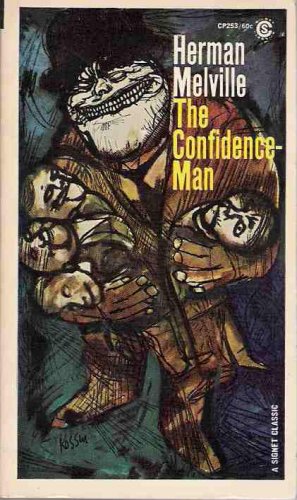
The notion of our Zeitgeist’s masqueraders brought to mind the closing paragraph of Herman Melville’s The Confidence Man: His Masquerade, a brilliant fictional spoof of The Gilded Age of America in the 1800s:

“The next moment, the waning light expired, and with it, the waning flames of the horned altar and the waning halo round the robed man’s brow; while in the darkness which ensued, the cosmopolitan kindly led the old man away. Something further may follow of this Masquerade.”

the-confidence-man

The Gilded Age is back with a vengeance. And as contemporary analogues, the Republican masqueraders in the presidential primary come to mind, as does Russian President Vladimir Putin, Israeli President Benjamin Netanyahu, Syrian President Bashar al-Assad, NRA President Wayne LaPierre, Michigan Governor Rick “Love-That-Dirty-Water” Snyder and more than a few others.

Eisen also included some good, tough reporting. I was disheartened to read his report on the incident where a state government lackey accosted Madison’s brilliantly trenchant jazz pianist, singer-songwriter and truth-teller Ben Sidran — because he had the temerity to exercise his free-speech rights by publicly critiquing Wisconsin’s Governor Scott Walker, another great masquerader of our times.

ben Sidran

Ben Sidran, who has performed annually at Madison’s popular free concert series Jazz at Five, incurred the wrath of Gov. Walker’s political operatives this summer. Courtesy youtube.com

Sadly the threat compelled Sidran to cancel his future performances at the free Jazz at Five concert series he’s played at for 15 years on the Capitol Square. Sidran noted sadly, “It was a watershed moment for me. The moment when I discovered jazz [in Madison] no longer belonged to the people but was a vanity project by the monied class.”

The scourge of Scott Walker continues to plague my economically-ravaged and battered home state. But artists and reporters like these give us hope and courage to continue the struggle.

“If there is no struggle there is no progress” — Frederick Douglass

Here is the link to Eisen’s round-up, originally published January 1 by isthmus.com, the online site of Isthmus, Madison’s weekly alternative newspaper: http://isthmus.com/music/Marc-Eisen-Favorite-Concerts-2015/

American Players Theatre’s Jim DeVita conjures a Shakespeare-haunted murder-mystery

DeVita & cover

Jim DeVita (right) and his new murder-mystery novel, “A Winsome Murder.” Courtesy uwpress.wisc.edu 

James DeVita knows both sides of homicide, having played both Hamlet and, years later, Claudius, who killed the prince’s father and stole his queen. DeVita now traffics through that insight as a writer. DeVita’s Italian-Irish passion and intelligence have burned through numerous Shakespeare and modern roles, from murderous to lady-killer, primarily with American Players Theatre.seagull1

Jim DeVita as Trigorin and Tracy Michelle Arnold as Irina in Chekov’s “The Seagull” at American Players Theatre. Courtesy milwaukeemag.com 

This acclaimed and popular stage actor has since adapted — from Shakespeare and Sir Ian McKellan — a five-year-touring one-man show In Acting Shakespeare, which traversed the U.S. and Ireland. No less than author (Duke: A Life of Duke Ellington), playwright and Wall Street Journal critic Terry Teachout has written: “America has no finer classical actor than Jim DeVita, a 21-year veteran of Wisconsin’s American Players Theatre. In recent seasons he’s starred there in Antony and Cleopatra, The Critic, Long Day’s Journey Into Night, Macbeth and The Seagull, and the disciplined intensity of his performances in those widely varied roles has never failed to impress.” 1

Jim DeVita will bring “In Acting Shakespeare” back to American Players Theatre this summer. Photo credit: Carissa Dixon photo.

Jim DeVita in his one-man play ““In Acting Shakespeare”.” Photo credit: Carissa Dixon photo.

Perhaps a working-class background put a chip on his shoulder as big as Richard III’s ominous hump. He’s polymathed into a playwright, author, award-winning children’s book author – and emergency medical technician. Now comes his first adult literary mayhem-mystery, A Winsome Murder. DeVita hoists a “cheap crime paperback novel” formula into a Shakespeare-haunted blood-adorned whodunit as effortlessly as his tough Chicago gumshoe might clean-jerk a cigarette to his curled lip.

Where and how did the idea for a literary murder-mystery come to you?

I didn’t set out to do that. I read that F. Scott Fitzgerald wrote to a blocked writer. Fitzgerald said, “Throw a body in there. It always livens things up.” So I just did that, I started with a body in a field and had no idea what was going to happen. The story started to grow around that. This line from Shakespeare’s Titus Andronicus came to me — when the detective looked at the body – because something was wrong with the body, dismemberment. So I thought, that’s weird. But the lines kept coming to me. I wondered, OK, could Shakespeare be helping this guy with his crimes, with this little quirk? I started to like it. It got fun — I’ve got a lot of information in my brain to do that. I’m not quitting my day job. I want to enjoy what I’m doing.

Who are your primary influences among murder-mystery/ police procedurals, and why?

Funny thing is, I wasn’t a mystery reader. Right now, I have Forensics for Dummies on my desk. So when I was writing it, I had the character Jillian McClay, who wants to write a mystery, doing that research. Most of my research was literal police procedurals. I wanted it to play out like most cheap crime paperback novels, and sneak this literature in. I kinda based Det. Mangan on some of my Irish uncles, some of the funniest men I know — dry, witty and quick. My two uncles were detectives.

The first victim is involved with setting up a meth lab. Did Breaking Bad inspire you at all?

No. Behind that was my work as an emergency medical technician, which I’ve done as a volunteer in Spring Green for 15 years. Meth is a problem here in the country. We take people into the hospital for it. We did training with the police because you get called to these things and it’s very dangerous. When you cook meth, it smells like sh-t so they do it out in these fields and woods.

Det. Mangan breaks a stereotype of narrow-minded cops. How did you arrive at a Shakespeare and Melville-haunted detective?

I find the tough-guy cop’s humor funny, the way he interrogates. I wanted him to be witty, kinda based on some of my Irish uncles, some of the funniest men I know, so dry, witty and quick. My two uncles were detectives. I kind of love that paradox street tough guy from Chicago who loves Shakespeare and Melville.

Literary critic Harold Bloom has claimed grandly that Shakespeare “invented the human.” In the sense that we never knew what a human being was, or that it had been articulated well until Shakespeare started creating all these amazing characters and settings and exposed the human condition. Is there something to that?

Having been an immersive Homer the last three years I’d say Homer did a pretty damn good job (regarding humanity). Shakespeare was a genius. They come along rarely like Mozart or Beethoven. It’s a quantum leap in something, but “invented”? I think he described the human condition better than most anyone. Like in my (In Acting Shakespeare) I say I don’t think Shakespeare felt or thought any differently than anyone else because I like to keep him human. But he did describe it better than anybody and you hear that as an audience or as a reader. You say, oh my God, that’s me, or I know people like that. Or like Beethoven, just the sound of it makes us weep.

In A Winsome Murder, you delve into psychology with great deftness and conciseness. Have you learned from Shakespeare?

Yes, Shakespeare was writing psychology before there was even a word for it. Now we called motives or whatever Freud has given us as motives.

How does your experience as a Shakespearean actor play into your writing of this novel?

Mostly in images from being around great theater for so long. But I have a lot of fun with dialogue. Most of my stuff I read out loud, different voices in my room. I sound a little crazy up here. I think my dialogue has been strong. I’m improving on my narrative and prose.

The shifting points of view in A Winsome Murder is a classic suspense device. One book I remember it from very vividly is William Goldman’s Marathon Man.  What do you like about it?

Partly it’s challenging myself. My first book was all one point of view. An author helping me said, stick to one point of view because I was doing it, changing and not doing well. And now with the third one it’s kind of challenging, as you know it can be tricky. I’m still learning how to do it properly. I was really inspired by Atonement by Ian McEwan, an amazing book I love that he will have an event from one point of view and then write the same event from another point of view and the event seems completely different.

Why did Melville come into play as a second source? Does drawing from Melville helps to Americanize the literary experience somewhat and expand some of its implications, especially for the obsessive mentality, or “worse than mad, Melvillian mad”?

Partly because he and Shakespeare are my two favorite authors, and as I started to let the literature in, the Shakespeare stuff is more immediate to me. But it’s odd how they kind of live for me because I feel Melville’s profound, beautiful, unfathomable questions, as he called it, the “deep diving.” They’re kind of an answerable those things. And his talking to Hawthorne about huge stuff: God, Why are we here? It’s wonderful but doesn’t give me any answers because there are no answers. So it’s harder to get my hands around it, so I have some fun when the detective starts to think of Melville, he drives him crazy.

But I love Melville, and the sea, and I’d like to do a one-man show on him. I’m waiting for the conceit to come.

A parakeet plays a surprising role, though you don’t push credibility with a talking one that might solve the case. Do you have a thing for them?

I’ve nothing for parakeets. it’s a bird that a female character (a murdered prostitute) has in her apartment. So it’s kind of a classic tough guy who doesn’t like birds or animals but  he’s not gonna let the damn thing die. He has a good heart and I’m gonna bring her back in the next book, Phoebe the parakeet and Mangan.

Titus Adronicus seems to be the most-quoted play. Is that because of its revenge thematics or is it also an underappreciated play?

The reason it came up the most was because of the condition of the first body when it was found. In Titus, a girl is raped and both her hands are found cut off.

_______________

  1. http://www.wsj.com/articles/an-iliad-and-the-island-reviews-the-smell-of-blood-and-bronze-1438292560

This interview was originally published in The Shepherd Express in shorter form.

Culture Currents and No Depression Celebrate the Best Roots Music Albums of 2015

ND2015_CoverThe cover of the first edition of No Depression’s revived print publication in 2015.

Like many, I feared for the fate of No Depression: The Roots Music Authority when, financially strapped, it folded as a print magazine operation in 2008, and became a sprawling online site. The publication had exposed a vast movement of simultaneously backward-and-forward-looking musical art and craft, mining most of the  indigenous genres that have shaped the history of American music.

So the irony rang darkly that ND had forsaken the traditional print media form in which it had, despite its fascination with music traditions, bucked conventionality and even easy category — note the previous subtitle: The Bi-monthy Journal of Alt.Country Movement (Whatever that is) — for the fashionable and engulfing virtual presence of e-media.

No Dep merle-haggard

A cover of the print edition of No Depression magazine, established in 1995, here in its print-edition heyday.

And today, as The Carter Family once sang and as the 1980s alt-country band Uncle Tupelo revived the sentiment: “There’s no depression in heaven,” and plenty less in the roots-music realms of battered, tattered planet Earth.

The results of NoDepression.com have proved mainly rich expansion and even improvement in successive stages. The online edition soon became a strong international community of music lovers, as the editors allowed broad lee-way for anyone in the community to contribute, in a quite democratic manner. As a long-time music/arts journalist, I joined the community quickly and enjoyed the sense of connection, dialogue and debate among engaged, passionate people throughout Cyberscape.

Puttering along on modest funds, the website finally gained invaluable financial influx when purchased by FreshGrass LLC in 2014. The new dual leadership instigated a largely successful redesign and streamlining of the site, with a return to a strong accent on professional journalism without betraying the music community that gives site its unique vitality. Then, NoDepression.com bucked most trends of mass media by returning to a print edition in September 2015, which publishes articles written exclusively for the print edition.

They also began to again commission long online cover stories from journalists in the community, with very competitive pay, to which I gladly contributed with a major profile of the great Chicano roots-rock band Los Lobos, upon release of their superb 2015 album Gates of Gold. Shortly after, the still-under-recognized 40-year-old group finally earned a nomination for The Rock ‘n Roll Hall of Fame, boosted by a fascinating new band biography Los Lobos: Dream in Blue by Chris Morris.

gates of gold cover

So a hearty Culture Currents congratulations to No Depression, ably headed by vibrant and industrious editor Kim Reuhl, for a remarkable year of revival and reinvention.

Besides regular contributions, including jazz postings that I hope expanded the purview of the site, I’ve also contributed to NoDepression.com‘s annual critics’ top 10, which complements the readers’ best of the year list of 50 favorite albums.

Interestingly this year, my choices harmonized more with the larger community than with the other critics, as none of my top 10 choices concurred with the critics aggregate top 10. There’s no second-guessing on my choices although — with roots music’s remarkable breadth and depth — a goodly handful of surely-worthy albums eluded me by my poll deadline. Nevertheless here is my top 10 for the year followed by (on the link) the NoDepression.com community top 50 albums of 2015. And finally the composite of the NoDepression critics best albums of 2015.

Here for Culture Currents (Vernaculars Speak) is my NoDepression.com critics poll top 10 albums of 2015 chosen by kevernacular.com, with links to CC/ND coverage I gave certain albums. As I wrote to editor Kim Reuhl in submitting this list, “I really struggled with the top two, which are a virtual a tie for best of the year, in my book. But as great as Gates is as a group statement, and though richer musically, McMurtry’s Complicated Game represents him in his prime and, even encompassing relationships, sticks in my brain and heart as a single artist’s vision of America.”

mcmurtry cover300x300

Kevin Lynch — NoDepression.com Top 10 roots music recordings of 2015

  1. Complicated Game — James McMurtry https://kevernacular.com/?p=6085
  2. Gates of Gold — Los Lobos https://kevernacular.com/?p=6665
  3. Happy Prisoner:  The Bluegrass Sessions —  Robert Earl Keen
  4.      Understory — Bill Camplin https://kevernacular.com/?p=5831
  5. Salt as Wolves — Jeffrey Foucault
  6.    The Firewatcher’s Daughter — Brandi Carlile
  7. Terraplane — Steve Earle
  8.    Second Hand Heart – Dwight Yoakam
  9.    Kokomo Kid — Guy Davis
  10. The Trackless Woods — Iris DeMent

And this is the NoDepression.com Readers’ Poll of Top 50 albums of 2015 followed by the ND critics top ten. http://nodepression.com/article/your-top-50-albums-2015

Delving into the Depths of Trump the Stump — a comment and a visual image

trump stump latest

“It’s Trump the Stump!”, graphite and pastel, 2015. By Kevin Lynch  1

Drum-roll please. Brassy bugle fanfare.

The conservative online news site World Net Daily, whose columnists include scourge-of-the-right-wing Ann Coulter and and ex-metal-rocker-pundit Ted Nugent, has declared Donald Trump “Man of the Year”!

Trump, who needs no introduction, has perservered till now against all Republican presidential candidates and beyond virtually everyone’s expectations of his seemingly Charmin-thick bloviation as a politician of substance, a potential statesman.

We all know he’s a master performer, for an adoring 35 per cent of the angry, mostly white-male Republican base. Their anger at stultifyingly obstructionist politics-as-usual, after the Great Recession, is understandable. Trump understands them too, like a snake oil salesman understands a vulnerable family whose house he’s slithered into and scoped out fully.

Far worse is most of the press fawning over “The Donald,” forced by the pressures of ever-changing e-media ratings and poll-numbers — virtually Trump’s whole game. In the most recent and self-important fawning, WND characterized his rise and 2015 man-of-the-year “triumph” thusly:

“At the start, Trump was savagely attacked by leftist activist groups and journalists after referring to some illegal immigrants as ‘rapists’ during his presidential announcement speech.

A couple of Trump’s business partners, notably NBC and Macy’s, cut ties with the candidate. It appeared Trump’s campaign was over before it even began.

But while most other politicians would have apologized, Trump responded with what has become his characteristic tactic – doubling down. Trump reframed the debate on immigration to focus on crimes committed by illegals. The arrest of a previously deported illegal immigrant for the murder of Kate Steinle in the sanctuary city of San Francisco gave Trump’s charges new weight.” 2`

And that seems the essence of Trump’s substance, and sleazy appeal to the lowest common denominator in the American psyche.

In a nation where everyone is constitutionally innocent until proven guilty, the arrest of a single previously-reported illegal immigrant and alleged murderer, is the new wobbly top-stone of his “gravitas,” the the WND editors judge.  Time and again, Trump sows xenophobia, irrational fear and racism in the public consciousness, with Trumped-up rhetoric and demagoguery.

Yet, we now know that statistically twice as many Americans have been killed by domestic terrorist attacks by right-wing zealots than by jihadists since 9/11, according to the New America Foundation, a non-partisan think tank based in Washington and in New York.

According to TIME Magazine’s National Security blog site: “In their June study, the foundation decided to examine groups ‘engaged in violent extremist activity’ and found that white extremists were by far the most dangerous. They pointed to the recent Emanuel AME Church shooting in Charleston, S.C., and the 2012 attack on a Sikh temple in Wisconsin, as well as many lesser-known attacks on Jewish institutions and on police. They found that 48 people were killed by white terrorists, while 26 were killed by radical Islamists, since Sept. 11.”

The study also found that the criminal justice system judged jihadists more harshly than their non-Muslim counterparts, indicting them more frequently than non-jihadists and handing down longer sentences.” 3

See a full breakdown of the numbers here.

Yet facts, and illustrative, rationally meaningful statistics — which Democratic candidate Bernie Sanders shows a surpassing command of — mean virtually nothing for Donald in Wonderland.

So he is it given credit for a certain intelligence, in manipulating the public and the press, but beyond that really, what is there? Where’s the policy meat, beyond the thick layers of baloney? These questions prompted the image that I created recently.

It is not a purely illustrative drawing, because I’ve spent my career as a print journalist although my background is as an artist. So — as Trump is mainly his rhetoric — it also incorporates quotes from him, and a couple of comments from the peanut gallery of Nature, which surely observes Trump with the great curiosity and perhaps to dread. He seems sanguine at best about global warming and the need to address it, like virtually all the Republican candidates. (Enlarge the image slightly to read the quotes better).

After the drum-roll and the bugle fanfare die down, what do we have? As Shakespeare wrote, in Macbeth:

Life’s but a walking shadow, a poor player,
That struts and frets his hour upon the stage,
And then is heard no more. It is a tale
told by an idiot, full of sound and fury,
Signifying nothing. 

Perhaps “the walking (and talking and talking) shadow” behind Trump does signify, well, Trump, a blend of 19th-century carnival barker and confidence man, 20th-century billionaire skyscraper builder/fantasy show-and-beauty pageant producer, and quintessential 21st-century media narcissist, obsessively referring to himself in third person, with almost salacious admiration.

Trump’s no idiot. It’s just so often he talks and behaves like one, and almost nobody calls him on it directly. Otherwise, he’ll strike back with a low-as-he-can-reach savagery, which the WNT does not comment on.

One hopes that the vast fictional paranoia fantasy Trump is orchestrating does not end as tragically for America as Macbeth’s. Will he be heard no more, after his very distended and bloated hour upon the stage?

Upon these questions, I offer you this drawing titled “It’s Trump the Stump!”


____________

1 The original Trump drawing is currently on display at The Jazz Gallery Center for the Arts, 932 E. Center St., Milwaukee. Thanks to Mark Lawson.

http://www.wnd.com/2015/12/man-of-the-year-donald-trump/

http://time.com/3934980/right-wing-extremists-white-terrorism-islamist-jihadi-dangerous/