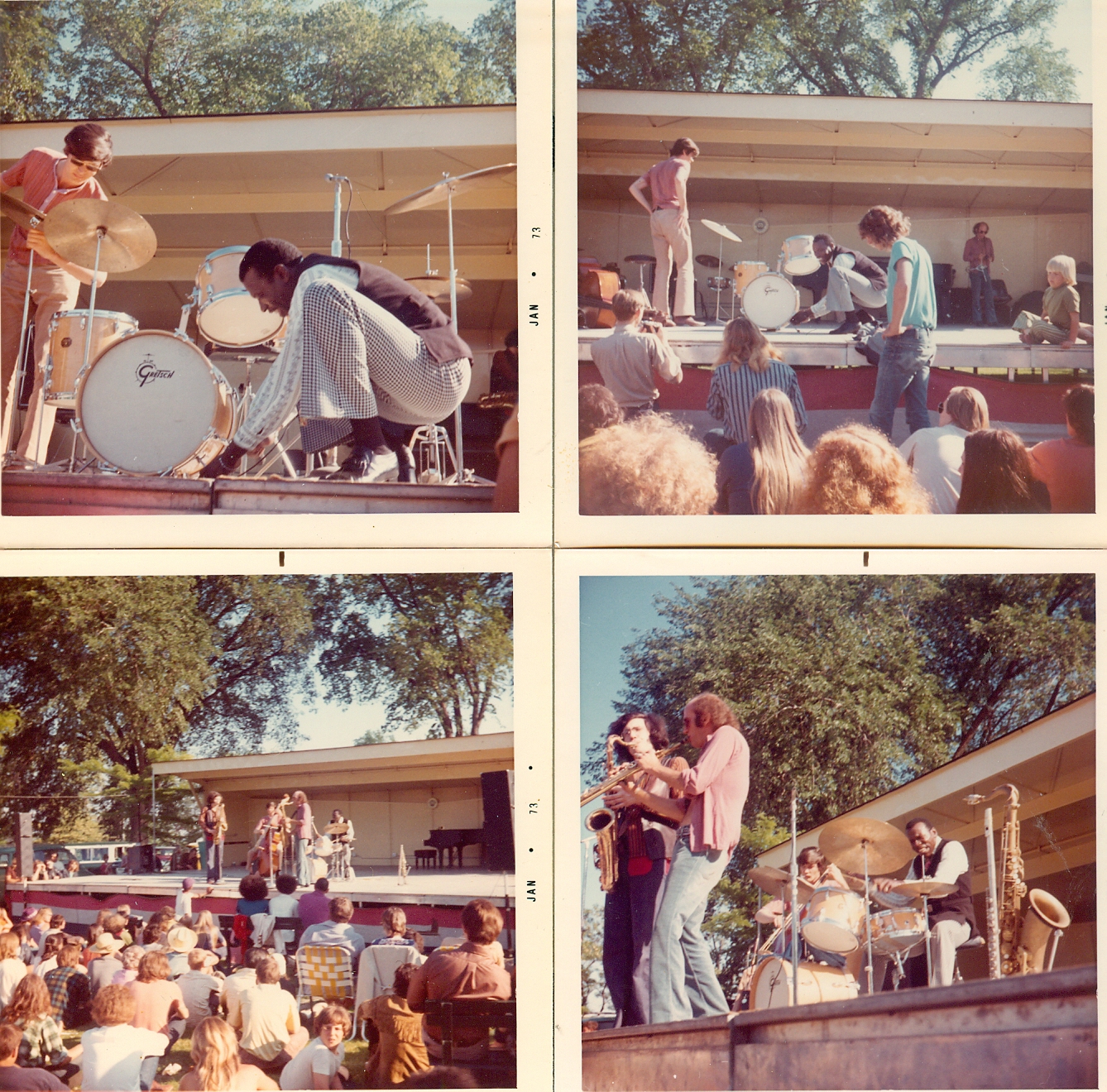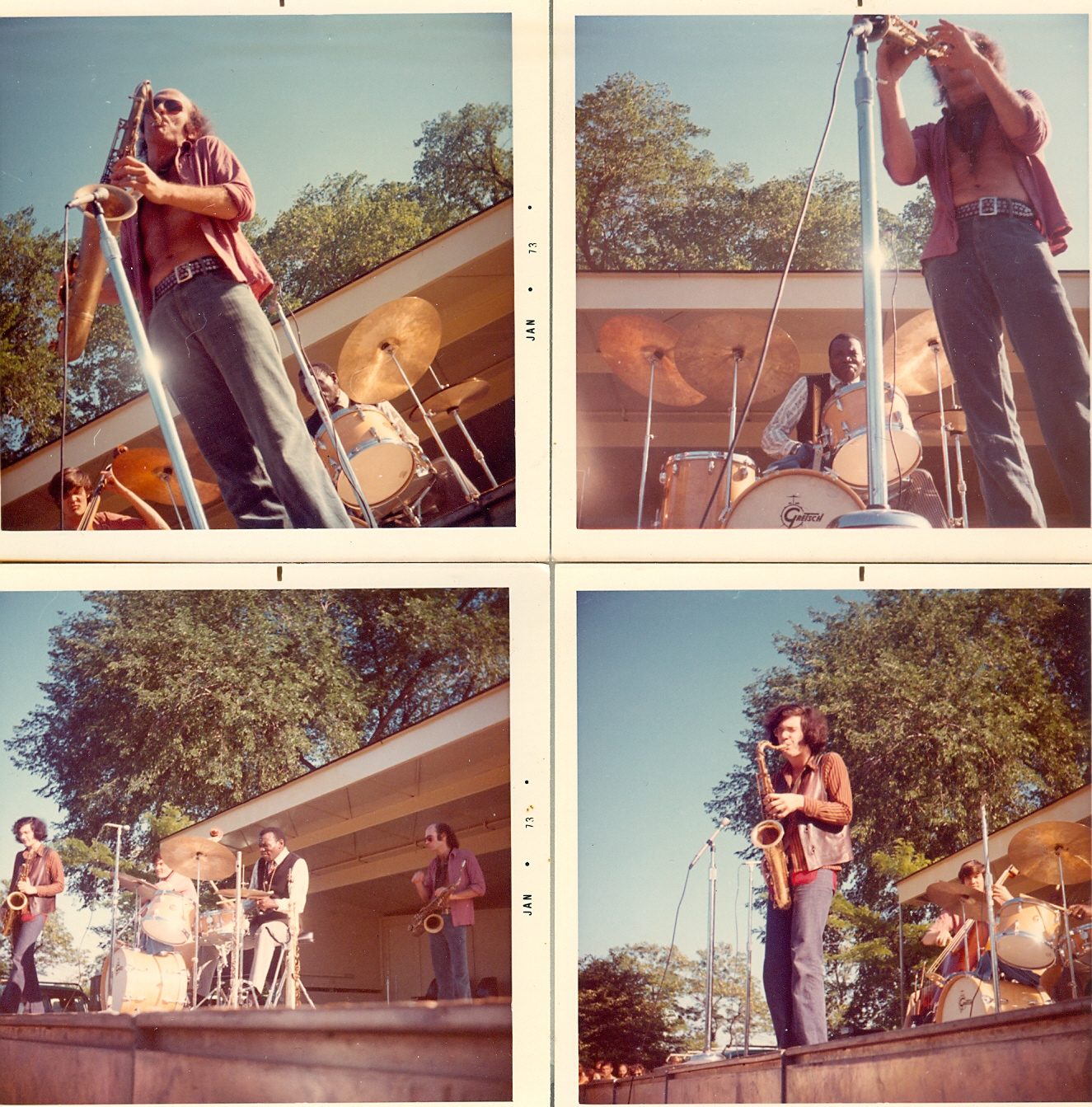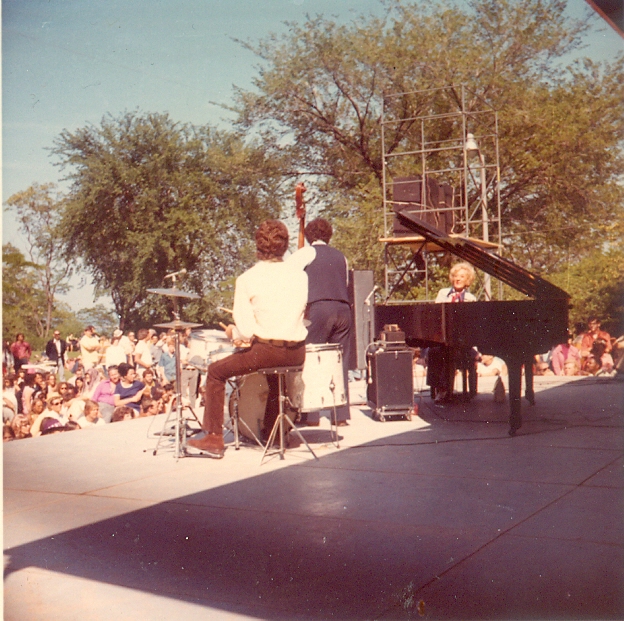
Ornette lives! A brief appreciation of Ornette Coleman and “The Cry” (1930-2015)

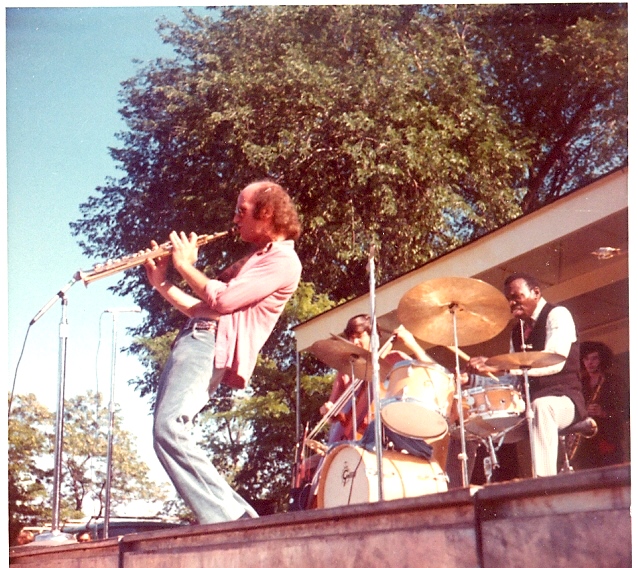
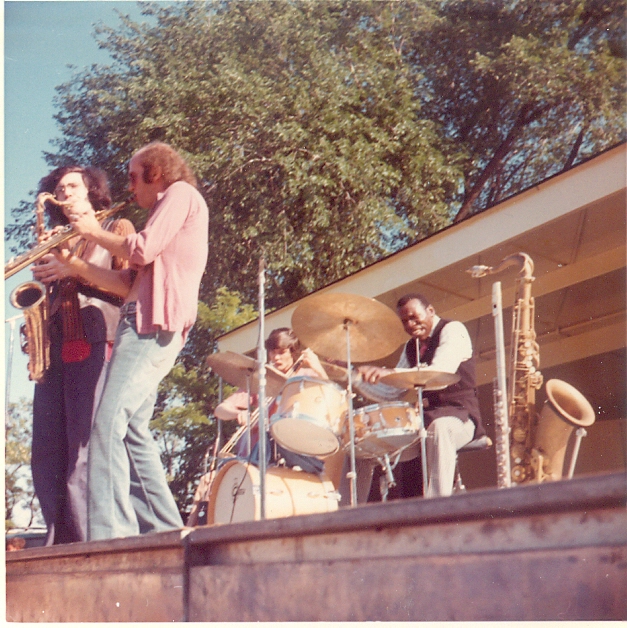
Ornette scan0269

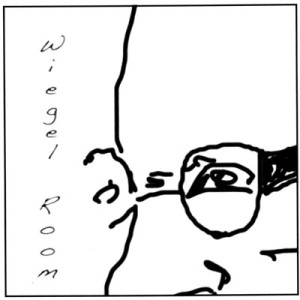
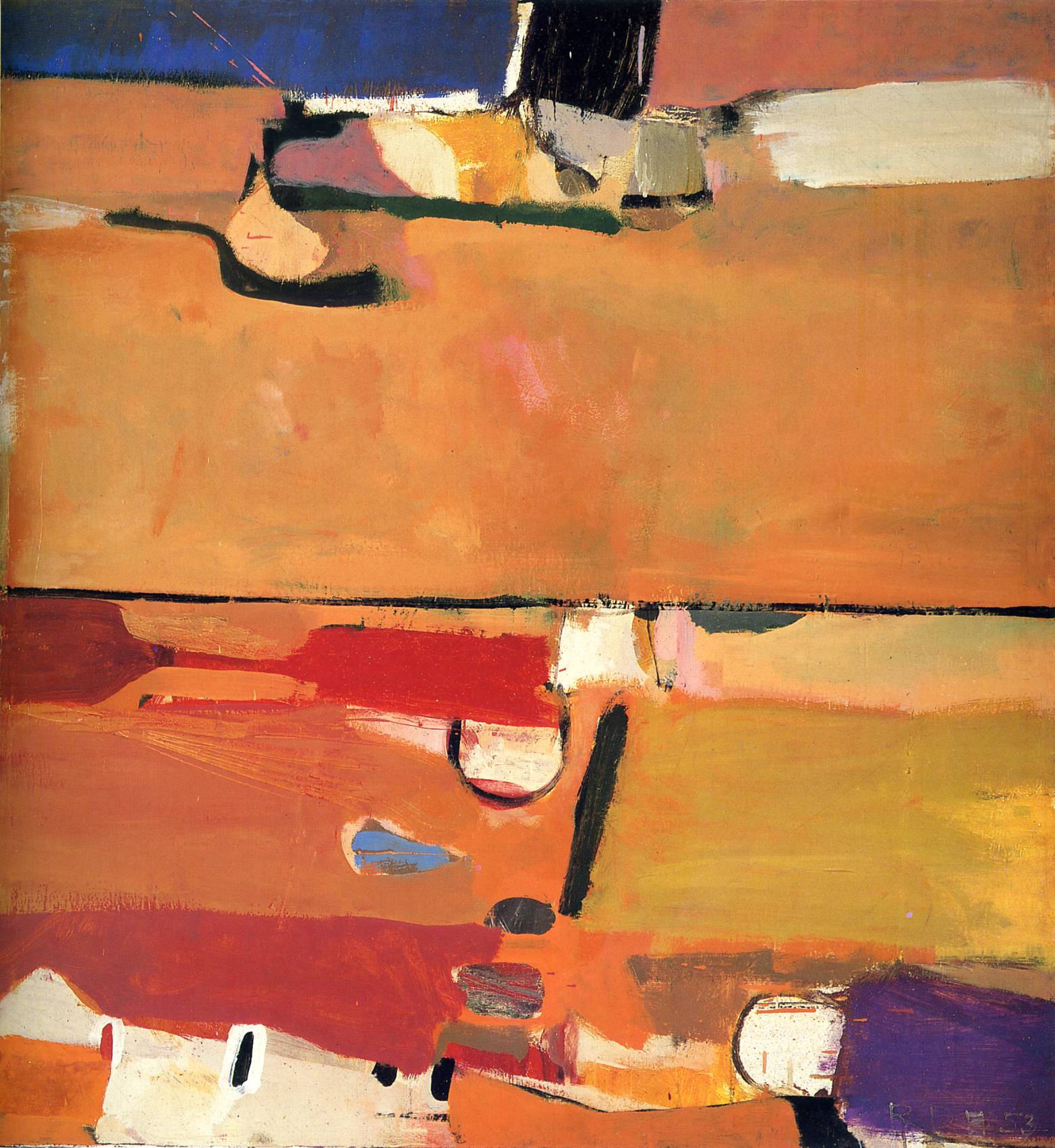
“Ornette Coleman,” enamel on panel, by Wayne Deutsch, 1997 

I just wanted to offer a few thoughts on Ornette Coleman. Upon hearing of his death yesterday, I thought of an old friend with the self-dubbed nickname of “Jazz Bob” who  sought out and savored “The Cry” in jazz.

As in, “(Art) Pepper has ‘The Cry.'”

Bob referred to the almost involuntary depth of piercingly ardent expression in the voice of many great jazz musicians, and blues musicians, for that matter.

Bob referred most often to saxophonists, but “The Cry” also emits from other horn players, trumpeters and trombonists. Ornette Coleman’s alto sax almost invariably had “The Cry,” and the sustenance of it had plenty to do with all the intellectual innovation and theory he applied to his music gradually over the years.

He called its approach to music — which became quite ambitious on its own terms — “harmolodics.” I think the idea came down to allowing the voice — and its expressive or creative purpose — of the instrumentalist or singer to thrive, to remain paramount in whatever harmonic or rhythmic context it finds itself in.

As critic/author Howard Mandel explains in the NPR appreciation, this philosophy allowed Ornette to play with an extraordinary array of musicians, because Coleman always sought out the commonality of the human voice in any performer.

He also espoused the famous idea, “Let’s play the melody, not the background.” This liberated him and many others from the strictures of playing somewhat hidebound by chord changes.

Most jazz musicians still work largely within those harmonic guidelines, but Ornette’s concept of “free jazz” liberated the musician’s concept of what music’s possibilities were. Nor was it ever really “free” in the sense of randomness. He invariably had a feel for the blues in his playing. Yes, “The Cry.”
Of course, one of his greatest collaborators and proponents — the late, great bassist Charlie Haden — also died not long ago. Listen to Haden’s recorded comments in Howard’s appreciation. And search out Ornette and Charlie Haden playing together. I suppose I’ll offer a YouTube of the mournfully eloquent Coleman dirge “Lonely Woman” as a funereal appreciation of Ornette. This is Coleman, Don Cherry on trumpet, Haden on bass and Billy Higgins’ ever-dancing drums: https://www.youtube.com/watch?v=DNbD1JIH344

But there is so much more, of course, including one of the most delightfully up-beat, swinging and funky tunes anyone has ever recorded, “Ramblin'” which reveals Ornette’s Texas blues roots.

Aside from any of his groundbreaking and, I think, quite listenable early ’60s recordings with the Ornette Coleman Quartet on Atlantic Records, you might also search out Dancing in your Head, or Virgin Beauty or Sound Grammar which are Ornette engaging with rock rhythms to varying degrees. It ain’t fusion like you know fusion. Then there’s some of his best middle-to-late period acoustic group work on The Complete Science Fiction Sessions, including a couple of stunning vocals by Asha Puthli.

In his 2006 liner notes to Sound Grammar, Coleman writes, “Sound stimulates newborn babies and could cause the infant to cry. Sound itself is used in endless forms of communication.”
So the sound of “The Cry” that Jazz Bob valued in such musicians is primal and likely underlies human celebration, joy, passion as well as pain and sorrow, throughout life. Is not the same true of other creatures?
Finally, I would like to share a marvelous painting (above) by Iowa artist Wayne Deutsch, a portrait of Ornette Coleman, which I think captures his personality, intelligence and spirit beautifully.

Ornette lives!

____________

As I posted already on FB, here is Ornette authority Howard Mandel (author of “Miles Ornette Cecil: Jazz Beyond Jazz,” a highly recommended book) with his NPR appreciation of Ornette. http://www.npr.org/sections/ablogsupreme/2015/06/11/413630335/ornette-coleman-jazz-iconoclast-dies-at-85

Jonathan Klett’s potent video film “Truth, Communion, Immense Possibility, and Art”

jon

Culture Currents (Vernaculars Speak) is proud to post this guest blog from the gifted young Milwaukee young video filmmaker, Jonathan Klett. Now based on the east coast, he’s the sort of hell-bent-to-make-a-difference artistic envelope-pusher that needs to be heard.

He will be heard. That’s because I guarantee that he will speak to most of my readers with the rhythmic, melodic, textural and ultimately emotional thunder of his documenting, and his wizardry at amalgamating the potency of his media elements. “I am Trayvon Martin,” one of the petitioning posters declares.

You see this brief film — much of it shot in Baltimore during the recent protests — and you see how the truth bleeds and how it soars. You know that change will come.

Why? Because, as Jonathan allows me to suggest in one segment, art and music generates the power for moral agency and, as one poetic protester asserts to the crowd “The moral universe bends to the arc of justice! Get ready America, we are bending it!”

jon 1

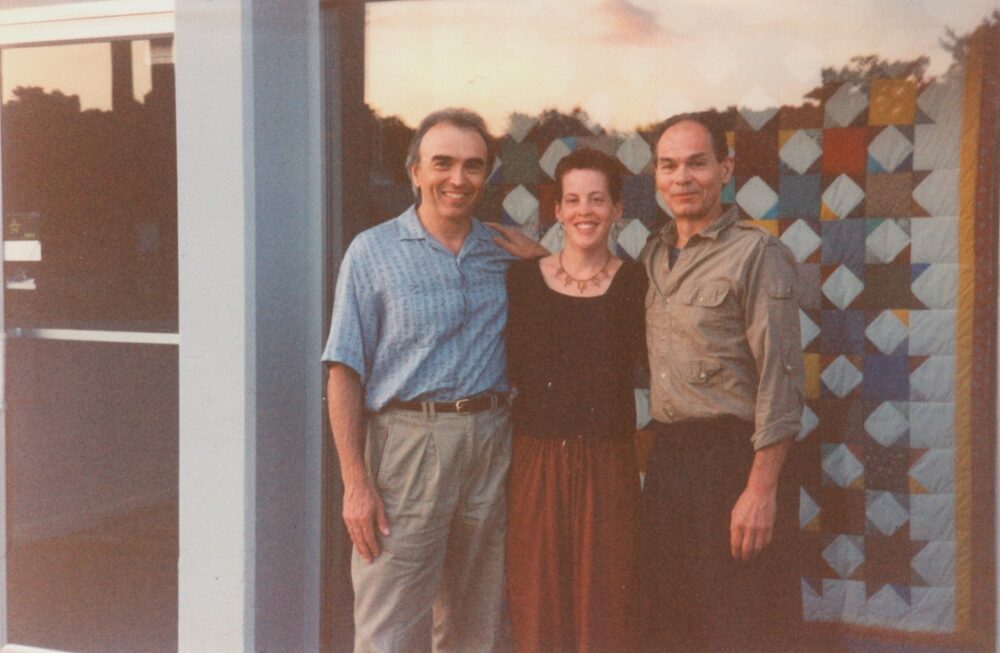
Right on, brothers and sisters! Fight on for truth, justice and peace in our lifetime, and our children’s. Jonathan — the son of two of my oldest friends, John and Mary Klett — makes me believe in our children, in the millennials inheriting the malleable madness, the palpable power, our democracy flirts with daily.

Look, people, listen and arise. Make a difference: https://www.youtube.com/watch?v=Xo4P-x90frA

_______

Still shots from short film by Jonathan Klett from “Truth, Communion, Immense Possibility, and Art”

given with full permission – ‘Lost in Decay’ by Drop Electric, a DC band I’ve been filming for two years. Cheers — Jonathan Klett.

Jonathan Klett’s potent video film “Truth, Communion, Immense Possibility, and Art”

jon

Culture Currents (Vernaculars Speak) is proud to post this guest blog from the gifted young Milwaukee young video filmmaker, Jonathan Klett. Now based on the east coast, he’s the sort of hell-bent-to-make-a-difference artistic envelope-pusher that needs to be heard.

He will be heard. That’s because I guarantee that he will speak to most of my readers with the rhythmic, melodic, textural and ultimately emotional thunder of his documenting, and his wizardry at amalgamating the potency of his media elements. “I am Trayvon Martin,” one of the petitioning posters declares.

You see this brief film and you see how the truth bleeds and how it soars. You know that change will come.

Why? Because, as Jonathan allows me to suggest in one segment, art and music generates the power for moral agency and, as one poetic protester asserts to the crowd “The moral universe bends to the arc of justice! Get ready America, we are bending it!”

jon 1

Right on, brothers and sisters! Fight on for truth, justice and peace in our lifetime, and our children’s. Jonathan — the son of two of my oldest friends, John and Mary Klett — makes me believe in our children, in the millennials inheriting the malleable madness, the palpable power, our democracy flirts with daily.

Look, people, listen and arise. Make a difference: https://www.youtube.com/watch?v=Xo4P-x90frA

_______

Still shots from short film by Jonathan Klett from “Truth, Communion, Immense Possibility, and Art”

given with full permission – ‘Lost in Decay’ by Drop Electric, a DC band I’ve been filming for two years. Cheers — Jonathan Klett.

Wisconsin Proud: Shimon and Lindemann reveal courage, commitment and salt-of-earth soul


ShimonLindemann_SelfGardenDusk1998

Shimon and Lindemann, “Self-portrait at Dusk, Whitelaw, Wisconsin,” 1998. Courtesy Milwaukeemag.com

There’s a Place: Photographs by J. Shimon and J. Lindemann, closing Sunday, June 7, The Museum of Wisconsin Art, 205 Veterans Avenue, West Bend, WI 262-334-9638 wisconsinart.org

John Shimon and Julie Lindemann have delved deeply into the nether reaches of Wisconsin existence for decades as photographic antiquarians.  And matters of complex humanity emerge in the superlative retrospective of their joint artistic career, which closes this weekend at the Museum of Wisconsin Art. What makes it urgent to see are the facts that these are as important as any Wisconsin artists that we have right now, and that this first-ever museum retrospective of their work may be also the last one in the lifetime of this artistic duo, given Julie Lindemann’s declining health. 1

Consequently, There’s a Place has remarkable depth and emotional power, which also originates in the subtle dramatics they achieve in these encounters with their subjects, which convey in a larger sense their profound love for this state, for its people, culture and labors, and for its natural cyclical beauty.

Time after time, in the blow-up, largely black-and-white photographs, we see people — whom most others do not — revealed both because of and despite themselves. That revelation comes largely through the documentary acumen and instincts of the artistic duo. The longtime couple’s commitment to the Wisconsin experience through its people — especially its outsiders, working-class, punks and elderly — has resulted in a remarkable response to this exhibit, which may be the most popular in the museum’s history, according to Greg Cisler, a MOWA security guard and gallery guide.

“This weekend we had free admission and thousands of people came through,” Cisler said Saturday. “And many of them came out visibly affected at an emotional level. This couple has touched many people’s lives.”

Cisler says that Julie Lindemann did not even attend the April opening as she continues her battle with her late-stage metastatic cancer, diagnosed in 2012. It has spread to her hips, making it too uncomfortable for her to sit up straight, according to a recent Milwaukee Magazine interviewer.

And yet the tall, blond Lindemann you see posing in many of the photographs is a striking and almost theatrical visage. She generously displays her statuesque frame in various negligee and lounging attire, conveying strength in an arty-punk style and sexual self-assurance. So knowledge of Julie’s medical condition casts a poignant pall over these images.

That’s the danger in what they’re going through now, Julie told Milwaukee. “We never had pets, never had children…we kept shoveling it all into the art.”

But they do have their many friends, right here and through the state. The photographers got to know many of their subjects quite well. So there’s potency in the couple’s close scrutiny of their subjects combined with the latitude they allow them to just be themselves, but in the most self-possessed manner.

The irony is that the couple’s devotion to old, laborious and elaborate photography techniques, and typically silver gelatin prints, embraces a concept that befits and elevates today’s instantaneous, selfie-buzzed social media, in the sense that everyone involved is putting themselves out in a public, self-conscious manner, putting on for the camera, and yet they cannot truly hide themselves.

So what you begin to see is that the public front people present seems partly a function of managing their existential situation. To this point, perhaps the photograph that most closely ties its subjects to the dichotomies of Julie Lindemann’s collaborative self portraits is the couple “Faye and Ken at Home, Milwaukee.”

shimon faye and ken

Shimon and Lindemann, “Ken and Faye at Home, Milwaukee,” 1994, courtesy djibnet.com

The middle-aged couple is all done up evidently for a formal night out on the town. Faye’s dressed to kill, her shapely figure poured into in a little black leather dress, a punkish hairdo and heavy jewels. She’s also hanging onto the hand of Ken, an utter sad sack, all dressed up with no place he wants to go.

His body seems almost mummified in his all-white tuxedo. His bearded, bespectacled face has collapsed in his hand, his arm resting on a chair. He seems a poster child for clinical depression. Only then might you look back at Kaye’s face and see the stress emanating from it, and a certain tense posture in her rather stiff-backed pose.

So the jig is up rather quickly. You can feel how their effort at putting on a festive front is dissolving from within. That front amounts to kind of survival mode, what so many of us do to get through the day — put on our clothes and make-up, and go out in the suit of armor to face the challenges of work and society and especially the inevitable decay of life itself, the inexorable force of time which we all struggle to resist, even as we “seize the day,” or try to.

In a rather spooky coincidence, Ken seems to have a literal brother, or at least a kindred in affliction and visage, in the show. Jimmy von Milwaukee: Burt Reynolds Pose, 2006, reveals a bearded man strikingly similar to Ken in looks, and with a face haunted with  tenuous yet courageous mortality. Wearing only a zebra-print thong, Jimmy displays his body in a pose reminiscent of one made famous by actor Burt Reynolds in his macho prime. And yet this man’s slender body is laced with lesions that look like AIDS-related Kaposi’s sarcoma, according to a nurse practitioner friend of mine who attended the show.

That’s when you can go back to the photographs of Julie and see, aside from her sinuous sensuality,  the slightly grim determination in her angular facial features and the fixed eyes peering from behind her stylishly retro black glasses.

You see it in a vivid color photo where she invites you into her kitchen with its array of accessories, condiments and decorations, signaling that she’s about to prepare a sumptuous meal of food she and John have probably grown themselves. So we see that fundamental Wisconsin can-do-ism, the pioneer spirit brought to the present and celebrated with a hint of desperation.

There’s a Place is about people revealed in home, neighborhood or work settings, and the relationship of the Wisconsinite to her land is more specifically dramatized in one of their most stunningly and beautifully subtle photographs. Drought (#3) printed on Mulberry paper.

shimonlindemann_drought

Drought (#3) 2012, Tea-toned Cyanotype on Masa Mulberry Paper. Courtesy portraitsocietygallery.com.

Again, Julie is the subject, but here more a situational actor in another near-life-size, unsettlingly noirish scene. A large watering can hangs from her hand, clearly dry to the last drop. She steps out from behind a screen door on to a terrain which — along with the cracked, disintegrating house paint — is ravaged and dying of thirst. It’s not something we think about as locally threatening in this verdant state. But the current realities of Texas and California should remind us of the environmental catastrophe that mega-industries and profligate corporate irresponsibility have bought us face-to-face with.

Amid the exquisite beauty of its hushed, simmering hues, Drought addresses global warming with as much artistic drama and persuasion as any image I have seen in quite some time.

Despite the brave embracing of realities and the couple’s “beauty is decay”
aesthetic, There’s a Place is hardly a doom-and-gloom exhibit . For many of the portrait poses, including many of Julie’s, you can accept the comparative health that she and their friends have enjoyed and displayed over the decades of this show’s documentation.

For example, Jeri with her 1956 Pink Cadillac: 

ShimonLindemann_JeriPinkCadillac2013i

Jeri with her 1956 Pink Cadillac, Green Bay, Wisconsin, 2003.

She seems hale and hearty in blue jeans — rolled up bobby-sox style — tattoos and red lipstick, sitting proudly on her vintage stylish Caddy. A portrait of Happy Days-era Wisconsin which, recall, depicted a mythical Milwaukee. That’s probably an abandoned factory behind her, but you sense Jeri’s day-to-day resilience and pluck. Of course, one also senses that Shimon and Lindemann relate as much to Samuel Beckett’s absurdly cheerful Happy Days couple – trapped up to their hips in rocky sand — as with those days ruled by The Fonze.

Yet the couple’s awareness of the slowly engulfing environmental crisis does not keep them from celebrating our state’s still-glorious splendor in imaginative and quiet magnificence. I’m speaking of one of their most recent pieces, a triumph of photographic, sculptural and curatorial imagination called Maple Canopy. Constructed from an armature of an old metal sun canopy, it hovers over the back of the gallery above a plush four-sided seat that — as you gaze at the photo montage overhead — naturally invites you to lay across the seats, to take it all in.


canopy 3

When you do, the canopy’s translucent montage of maple trees — shot from a ground level view through the branches skyward — draws your eyes into a leafy, spatial panorama. The gallery lights radiate through the leaves from above, lending a late-afternoon glow.

You might find yourself catching your breath at this point. It’s a quietly transcendent experience that powerfully reminds us of what we need to take care of — so that the land maintained by people like these dedicated farmer-photographers continues to sustain what we expect of Wisconsin’s great agrarian and conservationist traditions.

canopy 2

Photos of Shimon and Lindemann’s “Maple Canopy” installation, 2015 (here and above) by Kevin Lynch.

Here you sense they’re also well-versed in Aldo Leopold, the great Wisconsin naturalist-writer. As the show title invites, “there’s a place” in these branches and light, of embracing refuge, exploration and growth, both outward-bound and inwardly meditative, a genuine Wisconsin experience. And for that, the installation Canopy is the finest piece of new art by state artists I’ve seen this year, a masterpiece of their oeuvre.

Yes, these are also very much artists of our time, even as we see them in photos, and in a quirky accompanying series of short films, rooting around on their farm, using ancient tractors and farming tools.

In this world, rust never sleeps. Hearts have the power of pistons. Long may their work endure and find new audiences both in Wisconsin and nationally.

“There’s a place, where I can go/ when I feel low, when I feel blue. And it’s my mind, and there’s no time, when I’m alone…In my mind there is no sorrow/ don’t you know that it’s so? There’ll be no sad tomorrow/ don’t you know that it’s so?” — Lennon and McCartney

___________

1. Post-script: Artist Julie Lindemann died of cancer on Tuesday, Aug. 25, 2015, at her home in Appleton. She was 57. In her final years, she and partner John Shimon gained due renown, being named Milwaukee Journal-Sentinel Wisconsin artists of the year in 2014, and being honored with the acclaimed and remarkably popular WOMA retrospective. Still, the loss to the state’s art scene —  of a quotidian yet specially-attuned sensibility — remains palpable in the memory of this exhibit.


Alone and live, guitar wizard David Torn’s far-reaching sonic colors recall Pink Floyd and beyond

David Torn live 1

The intimate confines of The Jazz Estate seemed to expand with each imaginative foray of guitar explorer-whizard David Torn.  Photo by Ann Peterson

David Torn expanded the compressed space of The Jazz Estate in Milwaukee Wednesday, by enlarging the listener’s aural experience.

But he’s no mere studio effects geek. It was like hearing one guy do Pink Floyd live. What did it sound like? Imagine a lone guitarist balancing the dark side of the moon on his nose while walking a tightrope over Niagara Falls and other natural (and unnatural) wonders he seemed to enter.

His long white mane aglow, Torn seemed a spaceship commander, fiddling with knobs on the amp control set up at his right hand and stepping on several effects pedals almost as often as he executed sometimes outrageously adumbrated chords or oddly beguiling melodies.

The concentric reverberations from multi-source loop effects or tremolo whammy bar distortions ebbed and flowed as the sorts of stratospheric aural washes he’s adorned many movie soundtracks with.

Yet like a reassuring pilot, Torn was calm, droll and unpretentious onstage, considering how arty as his concoctions he can sometimes get. At times he seemed a tad lost in it all, and he admitted that sometimes an aspect of his system breaks down and does whatever will happen. Good thing we weren’t really at 30,000 feet! Or were we?

He informed us that one piece was a “blues” and another “the country tune” — reassuring some, mystifying others. To bring the spaceship analogy slightly back to earth, the total experience seemed often like sonic painting and especially voluminous sculpture, to the ears of this listener, once an undergrad art sculpture major.

Thanks to Matt Turner of The Jazz Estate, and Devin Drobka and Unrehearsed MKE for the event, Torn’s first ever Wisconsin visit.

After a Thursday date in Chicago, Torn plays May 31 at Club Cafe in Pittsburgh, and at Cat’s Cradle Back Room on June 6 in Carrboro, NC, as his first American tour in 20 years continues, in support of his new CD only sky on ECM Records.

James McMurtry talks about the making of “Complicated Game” and more

j m sklar

Texas singer-songwriter-guitarist-bandleader James McMurtry finds some time off the long, dusty road for some fishing and a cool, wet one. Courtesy NY Times. Photo by Benjamin Sklar

I don’t mind. It’s a pretty good job. I don’t have to say, ‘You want fries with that?’ ” — James McMurtry, on a music career’s highs and lows, years of heavy road touring, and the pressure to record. 

My former colleague Jane Burns did a fine phone interview with McMurtry about his masterful new album Complicated Game, shortly before he came to Madison to perform at The High Noon Saloon.

We worked together at The Capital Times before the Madison daily newspapers merged. She’s been a copy editor, editor and writer, and I was the paper’s arts reporter. I recall one of our first interactions was after she did a tad of nip-tucking on a lead of mine — on a deadline, of course — and I got a bit huffy about it. But I soon felt very good about her handling my copy and we became fast friends, partly because of our mutual tastes and interests in roots musics, and sports — and her insight and professional fair-mindedness. She also does a great job covering the emergence of women’s sports. She helped make my tough last days at The Capital Times bearable, especially while I endured a bad, painful illness that disabled me professionally. 

A natural wit, Jane also writes one of my favorite off-beat and best-titled blogs, Sneezing Through the Roundabouts: http://sneezingthrough.blogspot.com/

Not long ago, Jane wrote a major piece on the Iowa roots-rock band Scruffy the Cat for NoDepression.com. I hope she finds time for more of that, however, in today’s topsy-turvy news media world,  dailies tend to work staffers harder than ever today, for diminishing pay and benefits. Especially if they have no union. — KL (Kevernacular)

Here is Jane’s interview feature on McMurtry: http://host.madison.com/entertainment/music/james-mcmurtry-s-songs-mix-tough-times-and-romance/article_76054d42-e388-576d-9d30-031dab811d08.html#ixzz3bRoAw14Rq

Guest blogger Jane Burns is a veteran journalist whose reporting career has run the gamut from covering NCAA Final Four basketball tournaments to donning plastic shoe covers and hairnets to explore the many cheese factories of Wisconsin. As much as she loves basketball and cheese, it’s music that stole her heart long, long ago.
Thrown into the mix of everything else she’s covered in her career, she’s also written about music and the arts. She’s currently a reporter at the Wisconsin State Journal, and has also worked for the Des Moines Register, USA Today, The Minneapolis Star Tribune and The Capital Times.
James McMurtry’s “Game” reveals more of himself, and of a vividly evoked America

JamesMcMurtryComplicatedGameLPart (1)

James McMurtry’s first CD of new material since 2007, “Complicated Game” reveals much more of the man inside the great songwriter than just his dusty boots.

James McMurtry is back and attention must be paid. He should be playing larger venues than he does, as a great American songwriter, as good as we have South of Bob Dylan. He’s also an ace guitarist who can play solos as concisely and tellingly textured as his brilliantly compressed short-story songs.

And like Dylan, his voice is only serviceable, by conventional standards. It conveys a droll incisiveness, and yet can surprise with its expressiveness. But he works from the realm of understatement rather than the over-singing that “sells” a lot of music  — even for some good performers — a tendency the “American Idol” syndrome of pop culture has facilitated.

McMurtry’s grainy voice comfortably wears his vivid and real American writing like a tough, shabby jacket, collar turned up against the wind.

He’s arguably America’s greatest living songwriter who’s more storyteller than poet (comparably great Lucinda Williams, daughter of a famous poet, seems to balance story and poetry*). On Complicated Game he looks inward more than usual, right from the album opener, “Copper Canteen,” a strained relationship song that feels like the echoing chill of countless American marriages. The wife tries to improve a church-avoiding deer hunter-ice fishman who has recurring dark nights of the soul:

When I wake up at night/in the grip of a fright/and you hold me so tight to your chest/And your breath on my skin/still pulls me back/until I’m weightless and then I can rest. It’s a great evocation of the alone-together syndrome, and the existential compression of a lifetime suddenly rushing way too fast into the rearview mirror. 1

Here’s a solo rendition of “Copper Canteen,” with McMurtry on 12-string guitar:https://www.youtube.com/watch?v=IM_BjzDCDXs

Then there’s the romantic refrains, as in “You Got to Me” and “She Loves Me,” the latter about a man who shares his woman with a parking lot attendant, but holds onto the conviction that she loves him despite the “complicated game” that life on the road makes of love. It’s a story of brave-to-the-point-of-foolish amour, of hope against against the odds. Between the lines, love is dribbling between his fingers onto his boots, like a woman’s heart seemingly turned to sand. Sequenced as the fourth song — after “You Got Me” and the stiff-upper-lip bounce of “I Ain’t Got a Place in This World” — this would seem to be the same woman who held him to her chest, in the grip of the midnight fright, and made him believe in love.

The game is signified right in the stark, black-and-white album cover photograph: Two electrical cords extending from McMurtry’s feet intersect, like two human pathways, just as they disappear into the border’s white void, as if swallowed up by the inscrutably horrifying “whiteness of the whale” which Melville famously meditated on. So electricity, which fuels McMurtry’s artistic power of communication onstage, may have betrayed him, because the symbolic intersection of human hearts is now out of his reach, and control. Though “it was part of our agreement” he never saw the innocuous parking ticket-taker coming. You hear the vulnerability in the self-defensive shell of his voice. It sounds autobiographical.     james m   James McMurtry. Courtesy youtube.com

So we see more into McMurtry — as a human being, as a man — through his extraordinary powers as a songwriter. That quality makes this recording special, a more deeply radiating beacon in his increasingly impressive recording catalog, and authentic at several levels. Perhaps he’s short-changed in love, but McMurtry’s strongest calling is inevitably to that long, winding road, a gravitational force, which a woman must accept or reject.

He unflinchingly gazes across the blighted American horizon. With superb literary skill, he fashions composites of people he’s known or met who haul heavy hearts. With largely unadorned, perfectly-pitched accompaniment, “South Dakota” speaks intimately of raising cows: It was barely even fall/ but that blizzard got them all/Left them sprawled across the pasture stiff as boards.

The song is inhabited by a returning war veteran who reflects: “There ain’t much between the Pole and South Dakota/ and barbed wire won’t stop the wind/ You won’t  get nothing here but broke and older. I might as well re-up again.” The song is dedicated to the songwriter’s family and father, the renowned novelist Larry McMurtry, and anyone “who has ever had responsibility for the health and welfare of a cow.”

Larry’s son typically offers a dead-insect windshield view — but which retains the land and the people’s indomitable spirit. “Carlisle’s Haul” frames such harsh magnificence in terms of a crab-fishing job: “It’s hard not to cry and cuss/ when this old world is bigger than us/ and all we got is pride and trust in our kind.” McMurtry’s observational story-telling powers have been compared to his father’s, which produced The Last Picture Show, Lonesome Dove and the screenplay to Brokeback Mountain, among other indelible works.

But the younger McMurtry also recalls Charles Dickens in the way his gritty details and array of eccentric characters serve a broader critique of society and industrialization. His 2005 protest anthem “We Can’t Make It Here” still defines our economic times as well as anything.

Complicated Game begins to feel like a great artist’s most mature statement to date, and also a recording that ought to resonate across the nation’s political spectrum for its invocations of American freedom, and of its discontents. Both seem to flow through his veins by now. But McMurtry’s holding steady.

“Deaver’s Cross” is a righteous bluegrass song and the first of two remarkably magnanimous pieces for a guy stereotyped as a grumpy pessimist: So when you’re fishing that March brown hatch/Won’t you share your morning’s catch/with those whose ground you walk across/May their memory be not lost. 

A song that follows, after a few of the tough-minded ones, reminds us that, though unmistakeably a bleach-boned Texas troubadour, McMurtry has clearly traversed America, gigging and searching for dusty companionship. And hell if he can’t celebrate, even as he stares down reality, in the lovely, Uilleann-piping ode to “Long Island Sound.” Riding a gentle, rolling melodic wave evoking that long, lapping coast, he sings: These are the best days, these are the best days, boys put your money away, I got the round. Here’s to all you strangers, the Mets and the Rangers, long may we thrive on the Long Island Sound.

It’s the understated peak of the record and it catches the setting sun on a horizon of rooftops, because McMurtry has climbed this high to see what a magnificent place the great old island is. And then, the two closing lines are poetic strokes; he turns and spies New Mexico and Carolina — by way of Austin — from that metaphoric peak. He might be looking at Anywhere, U.S.A.

scan0586 Liner photo from James McMurtry’s “Complicated Game.” Photo by Shane McCauley

And yet, McMurtry remains too much of a cold-eyed critic of easy social conventions to leave us with only comforting thoughts. The album closes with its strangest song “Cutter,” about a sorry soul who physically mutilates himself with a knife, for reasons ostensibly sociological and psychological, yet ambiguous: “I miss my dog from years ago/ Where he went, I still don’t know./whiskey and coffee while I burn my toast, and build a cage for all my ghosts.” He could be one of countless desperate military veterans, or other American survivors. McMurtry’s under-appreciated vocal vibrato nails the man’s unsteady, just-hanging-on societal mask.

Nevertheless, as he told recently told Rolling Stone, he sees his characters as “enduring, not fading away. Standing against the current that wants to wash you away but can’t, yet.” 2

Despite his prodigious gifts as a wordsmith, McMurtry has a justified reputation for being tight-lipped with journalists, and he turned me down once when I asked for a brief interview, after a show in Milwaukee. McMurtry live James McMurtry live at The High Noon Saloon in Madison with guitarist Tim Holt. Photo by Marc Eisen.

However, after his recent show at the High Noon Saloon in Madison, with no journalistic intentions, I meandered up to his merchandise table, before he got to it. Then suddenly I heard James talking to me, chatting about how he had to jettison his former band name, The Heartless Bastards, “because a more popular band had taken the name.” I’d been eyeing the LP version of Live in Aught-Three, with the formerly named Bastards.

The moment almost felt like his story about the woman who’d never leave him because “she loves me” and he was there first, with his bastards. In the next few moments his nominal loss took on a full human embodiment.

He still works with the same trusty band mates he had in “aught three” — guitarist-accordionist Tim Holt, bassist-harmony vocalist Ronnie Johnson, and drummer Darren Hess. But for his 2007 Just Us Kids record and 2008’s Live in Europe tour and CD/DVD, the great British rock ‘n’ roll keyboardist Ian McLagan had joined the band, and McLagan subsequently moved to Austin, McMurtry’s home base. I’d previously seen McMurtry solo, so I’d hoped to hear McLagan. I asked James if he still played with Ian. “Oh, well, he died,” he said. And then he quickly turned away from me, as if fleeing into the protective shell of the crusty artful observer.

Had he stayed to chat a bit longer I’d probably have told him that two hours before I drove to Madison from Milwaukee — with tickets to his show pre-purchased — my sister Betty called me. Our sister Maureen had died that morning, of a heart attack, at age 60. In a daze of shock, I drove to Madison, because I know Maureen — a music lover and especially a lover of the film musical of Dickens’ Oliver! — would’ve wanted me to. She would’ve appreciated McMurtry’s flinty yet humane tale-spinning. Had I planned a formal concert review, or had not Maureen suddenly died, I might’ve had wits enough to find out that Ian McLagan died in December, in Austin, Texas. 3

Though this moment of revelation seemed painful for McMurtry, he gathered himself gracefully. His fleeting openness with this fan disarmed the journalist in me. I purchased one of the small, inexpensive poster paintings of McMurtry his assistant was hawking. He signed it, while situating himself right at the exit of the saloon, autographing an array of CDs and LPs from fans filing out. Rather than letting them come to the table, he’d come right to his loyal listeners, those who hear and feel his songs.

For some things in this tough road hombre’s life, it is not a complicated game, and he seems grateful for that.

________

  • Among living songwriters, Dylan, of course, is a self-proclaimed poet. Bruce Springsteen, Joni Mitchell, Neil Young, John Prine, Leonard Cohen and Paul Simon are right there, among songwriters, as well. But unlike those great artists, McMurtry, 53, seems to be entering the prime that Lucinda Williams, 63, is in. Also in the discussion is Steve Earle, 61, and up-and-coming Gillian Welch, 48. And anyone who tells a story as concisely, powerfully and beautifully as can James and Lucinda has much of the poet in them. Lucinda, for sure, is the better performer than James. Please discuss if you care to.

1 “Copper Canteen” was reportedly inspired by a McMurtry trip to Wisconsin and to The Steel Bridge Song Fest, in Sturgeon Bay, a wonderful annual event billed as “the world’s only collaborative songwriting festival,” This year’s festival is June 11-14 http://www.steelbridgesongfest.org/

The opening stanza of the song McMurtry’s knowing description of a man cleaning his hunting gun and hoping for an opportunity to “kill one more doe” — goes against my “Bambi-loving” grain. But I accept the song as an honest characterization of life in rural Wisconsin. Turns out, McMurtry’s a gun owner and gun lover, as is evident by his blog. As I would’ve expected, McMurtry is an extremely thoughtful, reasonable and responsible gun owner.

He addresses the sea change of public opinion on gun regulation prompted by the Newtown massacre. He’s one of many gun owers who disagree with the extreme scare tactics of The National Rifle Association, which he says he quit when Charlton Heston was president, saying he was “just sick of the rhetoric.” McMurtry also offers a take on the broader culture wars of guns, which he sees as being perpetrated mainly for profit by the gun industry. Then he makes this observation, which fits right into Culture Currents:

“Of course, the gun industry is not the only industry contributing to our cultural divisions. Entertainment is all over it. And we seem to be mimicking the entertainment industry, evolving into a nation of stereotypes, one big reality show with a country/hip-hop soundtrack, scripted and sculpted to resemble some Hollywood dream of every white man’s America, where rednecks are proud of the moniker, though their cotton-farming great grandparents are spinning in their graves at the very notion, because they worked like hell to elevate their descendents from the mere suggestion of the term ‘redneck.'” http://www.jamesmcmurtry.com/blog.html

2. http://www.jamesmcmurtry.com/

3. Ian McLagen was a member of the original British invasion band The Small Faces. He went on to a stellar solo and session-sideman career, performing with The Rolling Stones, Bob Dylan, Bonnie Raitt, Chuck Berry, Bruce Springsteen, Green Day and countless big names who play large theaters, or auditoriums or arenas. Which begs the question: Why doesn’t James McMurtry have a larger following?

This review was originally published in a shorter form in The Shepherd Express: http://shepherdexpress.com/article-25797-james-mcmurtry-complicated-game-%2528complicated-game%2529.html

Guitarist David Torn’s far-out and far-in music goes on tour, with a new album


david Torn live

David Torn performing live recently at  SubCulture in New York City. Photo © Claire Stefaniat

David Torn plays at the The Jazz Estate in Milwaukee

Few guitarists can make their instrument sound larger more or expansive than David Torn. He’s a self-described “guitarist/texturalist” and his deeply resonating tones may remind some of Bill Frisell. But Torn’s been doing this a bit longer and he coaxes his instrument into realms that neither Frisell nor any other plectrist can attain.

But judge for yourself. Torn will perform solo at 8 p.m. Wednesday May 27 at The Jazz Estate, 2423 N. Murray Ave. in Milwaukee (414) 964-9932. http://jazzestate.com

(Torn will also play in Denver on Friday, May 22; Minneapolis on Tuesday, May 26; and Chicago on Friday, May 29. See tour list for details and more dates:http://www.davidtorn.net/CMS/news.html )
Torn’s music sounds far out and far in. Yes, somewhat spacey but also deep inside —  like the sound of your own central nervous system, or your heartbeat, or psyche, or even your soul. Perhaps no other guitarist – Jeff Beck aside —  can conjure such a wealth of sonic wonder, strangeness, intimacy and beauty.

This is Torn’s first national tour in two decades. He’s played on or composed many film soundtracks, including No Country for Old Men, The Big Lebowski, Traffic, The Departed, The Twilight Saga: Breaking Dawn, and  Hans and the Real Girl and played on recordings by John Legend, David Bowie, Madonna, Tori Amos, k.d. lang, Laurie Anderson, Don Cherry and many others. He also produced Jeff, a Grammy-winning album by Jeff Beck (who performs in Milwaukee on Friday, May 22).

Torn’s solo works include Best Laid Plans (1984),Cloud About Mercury (1986), Door X (1990), Tripping Over God (1995), What Means Solid, Traveller? (1996), Splattercell‘s Oah (2000), and the ECM release Prezens (2007).

Torn’s guitar wizardry permeates his new ECM album only sky. A tune like “Spoke with Folks” has a dipsy-do lyricism that recalls Frisell somewhat, but Torn radiates a more gleaming, metallic tone and fractures it into shards of varying textures that seem to surge and mutate from your speakers.

David Torn - only sky cover

CD cover to David Torn’s new release “only sky,” Courtesy ECM Records.

He also unfurls shimmering atmospheric backdrops to his guitar phrasing, which surprises with sonic smears of incalculable character at any given moment. Torn consistently seems to develop and unfold his pieces with a composed, if idiosyncratic, sense of purpose and form, though he sometimes rides a jazzy swagger.

“Was a Cave… There” sounds like a cave that was…opening with echoes of a small tonal explosion, then a sequence of thick, sonic streaks, whirls and echoes that seem to breathe with a shared life force.  Around the three-minute mark, an enchanting circle of sound begins repeating, counterpointed by a more shaker-like texture. Over this, he finally layers spectral swatches of industrial noise.

On the tune “Reaching Barely, Sparely Fraught,” his broad melodic gestures have a slow, stately elegance that may charm even those who prefer mellow acoustic music.

So what are some of his secrets? On only sky he uses guitars, oud, loops, and effects pedals.

torn live

David Torn, Photo © Claire Stefaniat

“In some real ways I don’t think of myself as a “real” guitarist,” he says, but rest assured, Torn can do many things that a “real guitarist” cannot, or wouldn’t even imagine.

Torn explains that he “regularly abuses the instruments as an excuse, a conduit for creating music based upon summoning often poly sonic (and, polytonal) atmospheres, textures and all manner of moods. And I’ve discovered a pallet that calls for the regular usage of ‘interrupted devices.’ For example, sampling and/or processing Tim Berne’s alto sax – via my guitars pickups and mics (then heard through my amplifier, mixed with the guitar sounds) — while in the midst of a so-called guitar solo.”

“Or bad electric guitar noise (like a 60-cycle hum, or a crackling cable, or a sliver of semi-chaotic singing bird feedback) might be folded into a repetitive rhythm guitar part, or included as a distinct component clearly compositional intent…”

Torn puts words together a bit like he put sounds together, but his greatest gift is clearly the guitar in his hands. So perhaps it’s best to let his music wash over you, and come away cleansed, yet a bit older and more experienced, in the sense that Jimi Hendrix famously queried about.

_____________

This article was originally published in OnMilwaukee.com


Guitarist Manty Ellis tells all about Milwaukee jazz back in the day

manty

Manty Ellis

Manty Ellis is a central figure in modern Milwaukee jazz history as a guitarist, bandleader educator and music shop owner.

As noted in a previous Culture Currents blog, his style is deeply grounded in Wes Montgomery and John Coltrane, yet his muscular, rhythmically charged inventiveness draws parallels to James “Blood” Ulmer and  legendary Canadian guitarist Sonny Greenwich.

He co-founded the Wisconsin Conservatory of Music’s renowned jazz program with Tony King and has performed with numerous jazz greats, including Sonny Stitt, Eddie Harris, Stanley Turrentine, Frank Morgan and Richard Davis and taught such celebrated Milwaukee natives as Brian Lynch, Carl Allen, Sonya Robinson and Jeff Chambers. He’s been a recipient of Arts Midwest’s jazz master award and, at 80, remains very active on the local scene.

More recently, Ellis began laying groundwork for the Jazz Foundation of Milwaukee, based on the successful model of The Jazz Foundation of America. Incorporated in 1990, the national organization formed to address the urgency of helping elder jazz musicians in need. This is pertinent in light of our troubled economy and the fact that so many jazz musicians go without adequate health insurance or job security through most of their careers. 

Ellis also hopes the new foundation might it strengthen the local jazz scene through outreach events.

Though times have changed, for a perspective on Milwaukee’s jazz scene — what it was to understand what it is and might become — Ellis proves an invaluable wellspring of knowledge.

Several younger jazz musicians — trumpeter Jamie Breiwick, pianist Mark Davis and guitarist Kenny Reichert — sat down with Ellis recently for a remarkable, eye-opening interview that probed the veteran musician’s extensive historical knowledge of the city’s jazz scene. The question and answer-style interview is presented in two parts. It traces the arrival and impact of important jazz figures like Buddy Montgomery, Melvin Rhyne and Frank Morgan. Also, in Ellis’ telling, you discover that Milwaukee provided the first gigs for two internationally famous jazz musicians, Herbie Hancock and Ramsey Lewis.

Morgan

The late alto saxophone great Frank Morgan is among the musicians who lived in Milwaukee that Manty Ellis reminisces about in his interview. Courtesy cache.boston.com

Ellis also understood, and sometimes witnessed, much of the backroom dealings that impacted the jazz scene in the ’50s and ’60s, including club owners and other figures allegedly connected to the Mafia, which he discussed especially in part two of the extended conversation. A non-musical revelation is that Ellis is a cousin of sharpshooting Stephen Curry, point guard of The Golden State Warriors, and recently voted the NBA’s Most Valuable Player for 2014-15.

These are Ellis’s recollections largely unedited and unverified. Nevertheless, the general outline and dynamics he sketches are Milwaukee jazz history that rings true and lend a distinctive character to a city jazz scene that’s long gone under-appreciated.

Breiwick, Davis and Reichert performed a distinct service to Milwaukee culture by documenting Manty Ellis in this important artist’s late phase of his career.

Here’s part one of the interview, posted on Breiwick’s blog:

http://jamiebreiwick.net/2015/02/09/a-conversation-with-manty-ellis-part-one/

Here is part two of the interview:

 http://jamiebreiwick.net/…/…/manty-ellis-interview-part-two/

A third part of the interview will be posted on Breiwick’s blog and on Culture Currents soon.

Jeff (Because) Poniewaz hovers over the freeway

whale wallThe Milwaukee “Whaling Wall,” destroyed in May, 2006.  Courtesy the wylandfoundation.com

Look up. That swatch of black hair streaking across the sky. Or is it a great raven twirling through the air currents? Now it slows, hovers. It’s all that’s visible. All that’s visible of him.

Because, poet Jeff Poniewaz now floats over the freeway of our city and our life. He’s up there, with the departed whales of Milwaukee’s freeway. Why? Poniewaz means “because” in Polish.

jeff poniewaz

The late poet and environmental activist Jeff Poniewaz. Courtesy riverstcurrents.com

Here’s also why. For what he wrote about those whales. That uncanny feeling of seeing Jeff arose yesterday from the title and meaning of his excellent 2007 chapbook Whales Hover(ed). The title poem is “Whales Hovered Over the Freeway.”  And it arose from the river of warm, rich memory of recent Milwaukee poet laureate Poniewaz that flowed through the overflow crowd at Feerick’s Funeral home Saturday. His 50-year partner Antler, another recent Milwaukee poet laureate, recalled his lost soul mate in glowing words, along with many other friends and admirers.

Since Jeff died on December 13, I had been searching for his slim chapbook which I had put on the book shelf facing my computer keyboard, amid a bunch of thick tomes, on Melville, music, writing and culture. Somehow it had eluded me.

But yesterday after the memorial, I cast my eyes again across the row of books and something led me to the ocean-blue book’s unmarked sliver of a spine, nestled between a stout hardcover of Melville’s novel Redburn and poet Mary Oliver’s American Primitive collection.

It felt like me spotting a black flash of Jeff’s hair, soaring in the sky, from the corner of my eye. So I retrieved one of the strongest statements this eco-poet ever made about the natural word and art, about human over-development and misplaced priorities.

The poems deal with what was Milwaukee’s portion of The Whaling Walls, a vast array of stunning life-size murals of whales by artist Robert Wyland. His whale murals enchant and lend meaning to over 100 other cities worldwide, a remarkably ambitious and laudable cultural project which, unlike much public art, rarely causes controversy, for the beauty and accessibility of the art.

Here, Wyland’s mural had adorned the County Courthouse complex over the I-43 expressway entering the Marquette interchange. The city destroyed the mural, titled “Whale Commuters,” during Courthouse reconstruction on May 23, 2006.  The mural lasted less than a decade. An extenuating circumstance was that once a freeway driver apparently looked at it a moment too long and a fatal multi-car pile-up ensued.

So the city simply destroyed it, instead of relocating the mural to a less distracting location.

scan0574

There are 79 cities worldwide which have commissioned Wyland’s Whaling Walls. But Milwaukee couldn’t handle the truth of this wondrous art. The city screwed up royally. 

The story gets worse. Wyland later offered to paint a whale wall on the Wells Street side of the Milwaukee Public Museum, the building he had originally wanted to do. However, as was the original problem, the museum has refused the offer due to the lack of any connection between Milwaukee and the ocean and therefore whales as well.

Yet seagulls had live nests with eggs destroyed in the mural site demolition.

Dynamic nature often reaches far beyond strict geographic boundaries in showing a given communty’s connectness to the life forces around the globe. Melville wrote the greatest ocean story of all, Moby-Dick, on a land-locked farm in western Massachusetts. We know how the Great Lakes flow to and fro from — and wouldn’t exist without — the ocean. The name of Jeff’s enlightened publisher was Inland Ocean Books. The museum’s refusal was small-mindedness at its worst for a cultural institution. 3

Yes, such a move would’ve been more effort and cost than simply demolishing the whale mural. But since then, millions of tax dollars and countless hours of labor have poured into ongoing freeway development and expansion — much of it questionable — and destroying natural habitats around Milwaukee County. My friend Ann Peterson not long ago saw a solitary Great Blue Heron searching around above the ugly far west side freeway construction site for the natural habitat he had previously returned to as part of its natural habitat.

jeff back cover

Front and back covers of Jeff Poniewaz’s chapbook. Images and reproduced poem below copyright 2007 by Jeff Poniewaz and Inland Ocean Books.

The mural destruction, and its significance to our city, should not be dismissed as water over the bridge, or expressway. Atonement and wiser choices still await past mistakes and transgressions, especially when nature-ravaging development continues heedlessly.

Jeff’s now-airborne spirit won’t die or stop fighting for a more harmonious relationship between humanity and our environment.
Here is Jeff’s title poem from his collection, along with the chapbook’s cover photographs which illustrate the whale mural’s fate. He chose the Melville quote at the end to conclude the poem.
Spread your wings sweet Jeff and soar, yet always circle back to us. We need you still.

As our mutual friend Richard Gallas declared at yesterday’s memorial, no poet he knew was more fierce than Jeff. Gentle, loving, and righteously fierce.

scan0576

scan0577

scan0578

scan0579

_____________

  • 1 In 2008, twenty-seven years after Wyland’s quest began, the artist and the Wyland Foundation completed the monumental goal of painting 100 life-size public marine murals. These murals were painted in life-size dimensions to increase appreciation and understanding for aquatic habitats and the life within. Perhaps, most importantly, they have reshaped attitudes about marine life conservation.

“We know now that water connects all the countries of the world,” Wyland says. “Our goal with these projects over the last three decades has been to convey the urgency of conservation issues to the public. The health of our ocean and waterways are in jeopardy, not to mention the thousands of marine animals and plants that face extinction if we do nothing.”

The completed “Wyland Walls” campaign is one of the largest art-in-public-places projects in history, spanning five continents, 17 countries, and 79 cities around the globe

2 small portions of mural with adult & baby dolphin and “Wyland” signature installed at northern portal of the Kilbourn Tunnel at I-43 Northbound in February 2007

3http://en.wikipedia.org/wiki/Milwaukee_County_Courthouse